As I sit here in 2026, my controller still warm from another late-night gaming session, the debate that has raged for nearly two decades feels more personal than ever. For me, it's not just about which game is better; it's about which world pulled me in deeper, which character's struggles felt more real, and which series left an indelible mark on my soul. The Batman: Arkham Trilogy and Marvel's Spider-Man series aren't just games; they are two colossal pillars of the superhero genre, each casting a long, formidable shadow. I've swung through the canyons of New York as Peter Parker and stalked the rain-slicked gargoyles of Gotham as the Dark Knight more times than I can count. Today, I'm putting on my critic's cowl—or maybe my web-shooters—to dissect every facet of this legendary rivalry from my own, deeply personal perspective.
The Narrative Tapestry: A Tale of Two Cities
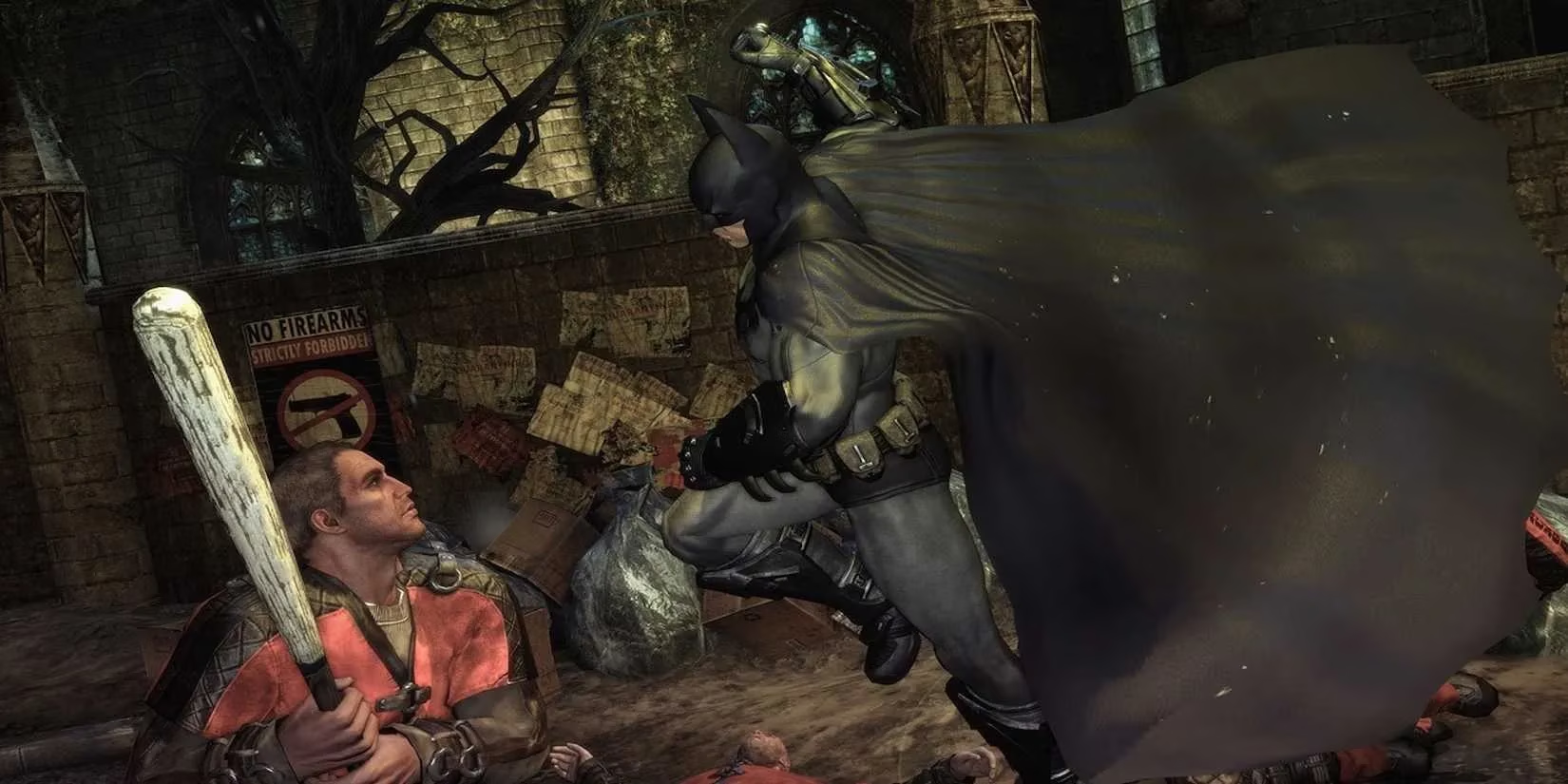
The story in the Arkham games is a masterclass in pressure-cooker tension. From the moment I stepped into the asylum, it was like being trapped in a slowly tightening vice. Rocksteady didn't just tell a story; they built a ticking clock into the very fabric of Gotham. Hugo Strange's ominous countdown to Protocol 10 in Arkham City wasn't a background detail—it was a drumbeat in my ears, a constant reminder that failure wasn't an option. Batman's gradual psychological unraveling in Arkham Knight, haunted by the ghost of the Joker, was a descent into madness I experienced firsthand. The narrative pacing was like a perfectly tuned engine, each gear engaging at the exact right moment to propel me forward without a single lull.
In contrast, swinging into Insomniac's New York felt different. The stories of Peter and Miles are heartfelt, focusing on the human beneath the mask. Peter's relationship with Otto Octavius is a tragic symphony, and the symbiote's corruption is a visceral portrayal of addiction. However, the pacing sometimes stumbled for me. The infamous MJ stealth sections in the 2018 game were like hitting a narrative speed bump—a jarring shift in tone that, while improved, still echoes in Spider-Man 2. The first halves often felt like a prolonged setup, a slow-burning fuse compared to the explosive immediacy of Batman's nightly crusades.
Characters: Monuments vs. Journeys
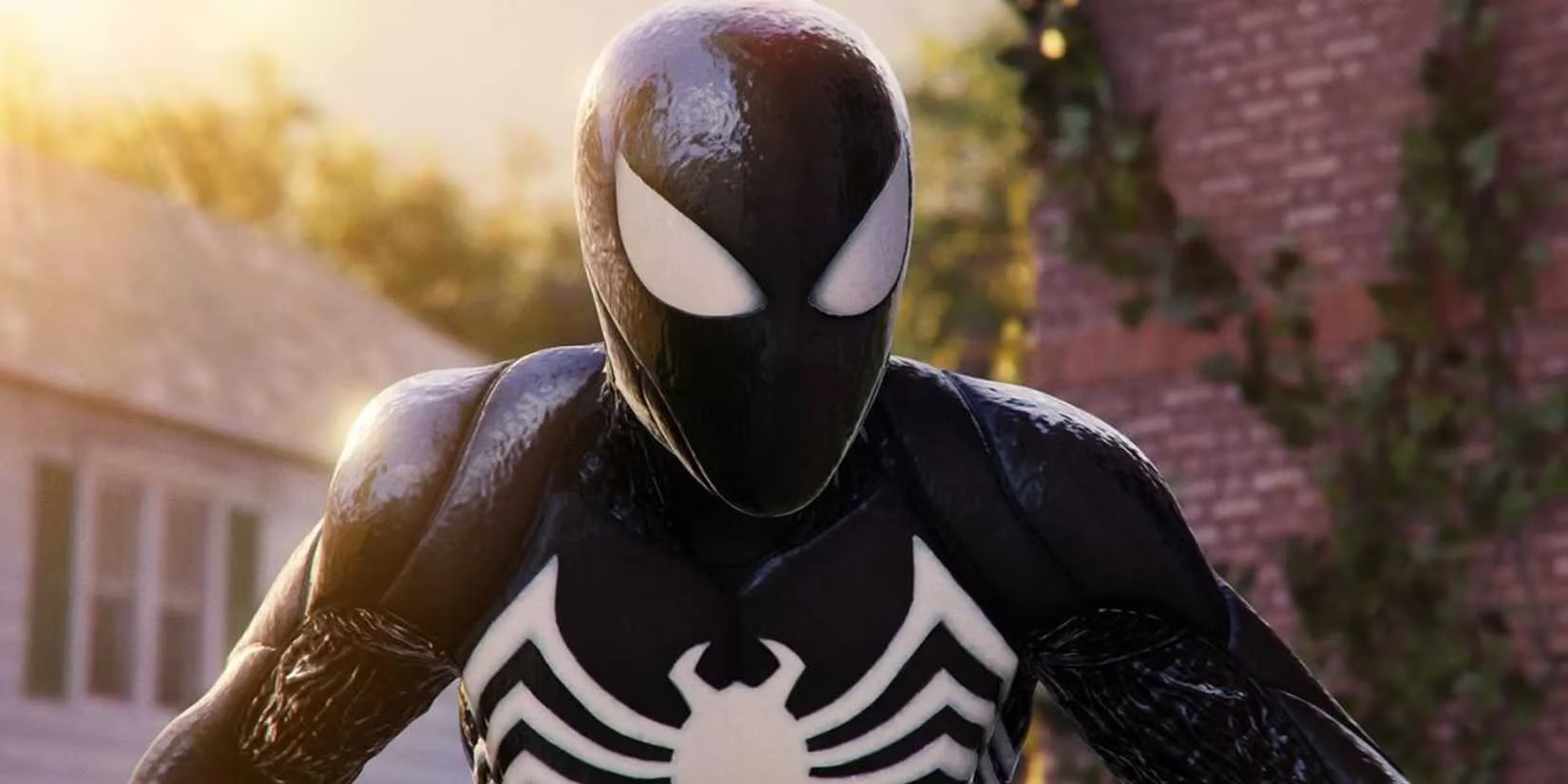
Here lies a fascinating dichotomy. The characters of the Arkham universe are like gothic statues—imposing, iconic, and largely unchanging. Bruce Wayne is the consummate Batman from the start; he is the rock against which the chaos of Gotham crashes. We don't see a radical transformation in him or his rogues' gallery. The Joker is the Clown Prince, Bane is the brute force, and Scarecrow is the master of fear. Their roles are clear, and the power fantasy is in Batman's unwavering resolve against these eternal forces. The development is in the world's reaction to him, not in his core self.
Spider-Man's world, however, is all about fluidity and growth. Peter, Miles, MJ, Harry—they are rivers, constantly changing course. Watching Peter grapple with the seductive power of the symbiote was like watching a brilliant friend slowly succumb to a bad influence; it was painfully relatable. Miles' journey from grief to finding his own heroic voice is a coming-of-age story that resonates deeply. The characters evolve, make mistakes, and learn. If Batman's cast are pillars in a storm, Spider-Man's are saplings bending and growing in it.
World & Atmosphere: Gothic Symphony vs. Urban Playground
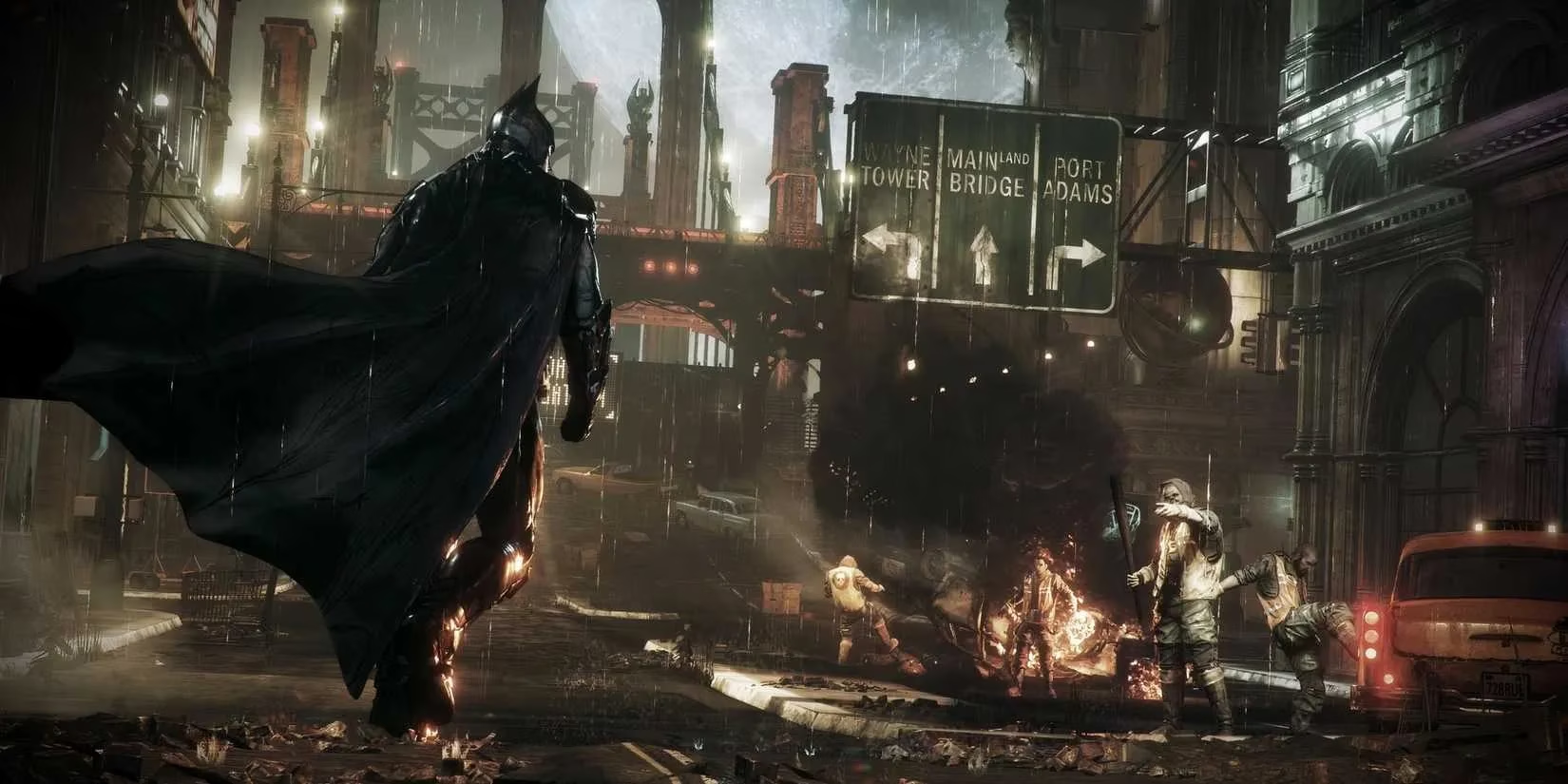
This is where personal taste becomes the judge. Gotham City, especially in Arkham Knight, is more than a setting; it's a character. A rain-drenched, neon-soaked character with a severe anxiety disorder. Gliding over its rooftops, I didn't just see a city; I felt its despair. The atmosphere was a thick, tangible blanket of dread. Exploring the abandoned studios of the movie producer in Arkham City or the creaking hallways of the orphanage in Knight felt like walking through a living, breathing nightmare. It was a gothic cathedral of crime, and I was its silent, vengeful caretaker.
New York in Spider-Man is the polar opposite—a vibrant, sun-drenched diorama of life. Swinging through it is an unadulterated joy. The hustle and bustle, the cheering crowds, the sheer scale… it’s a celebration. But for immersion, it lacks the cohesive, oppressive personality of Gotham. Gotham felt like a meticulously crafted snow globe of misery; New York feels like a wonderfully realized theme park. One is an experience in atmospheric pressure, the other in kinetic freedom.
Combat: The Predator's Ballet vs. The Acrobat's Frenzy
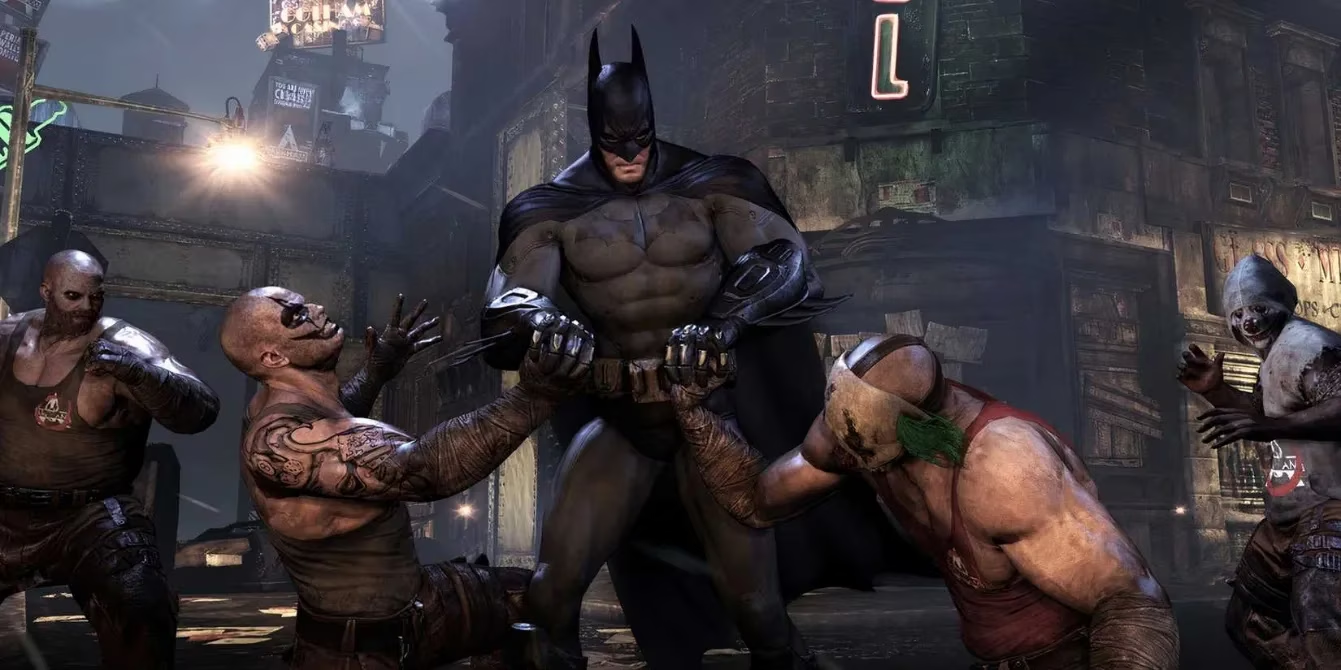
The Arkham combat system, the famous Freeflow, is a thing of brutal beauty. It’s a rhythm game disguised as a brawl. Starting a fight is like conducting an orchestra of violence—a slow, methodical build of strikes and counters that crescendos into a whirlwind of unconscious thugs. The sense of control is absolute. Gadgets aren't just tools; they are extensions of your will. Throwing a batarang to stop a charging enemy or using the disruptor to disable a rifle before a fight even begins makes you feel like the ultimate tactician. It’s a chess match played at breakneck speed.
Spider-Man's combat, while flashy and acrobatic, never quite achieved that same strategic depth for me. It often devolved into a repetitive dance of web-strikes, dodges, and area-of-effect abilities. Enemies, especially later on, felt less like challenges and more like health sponges. The most efficient tactic—yanking enemies into the air and webbing them to the ground—was satisfying but became a predictable, almost anticlimactic routine. Batman's fights were a symphony; Spider-Man's often felt like a catchy but repetitive pop song.
Traversal: The Uncontested Champion
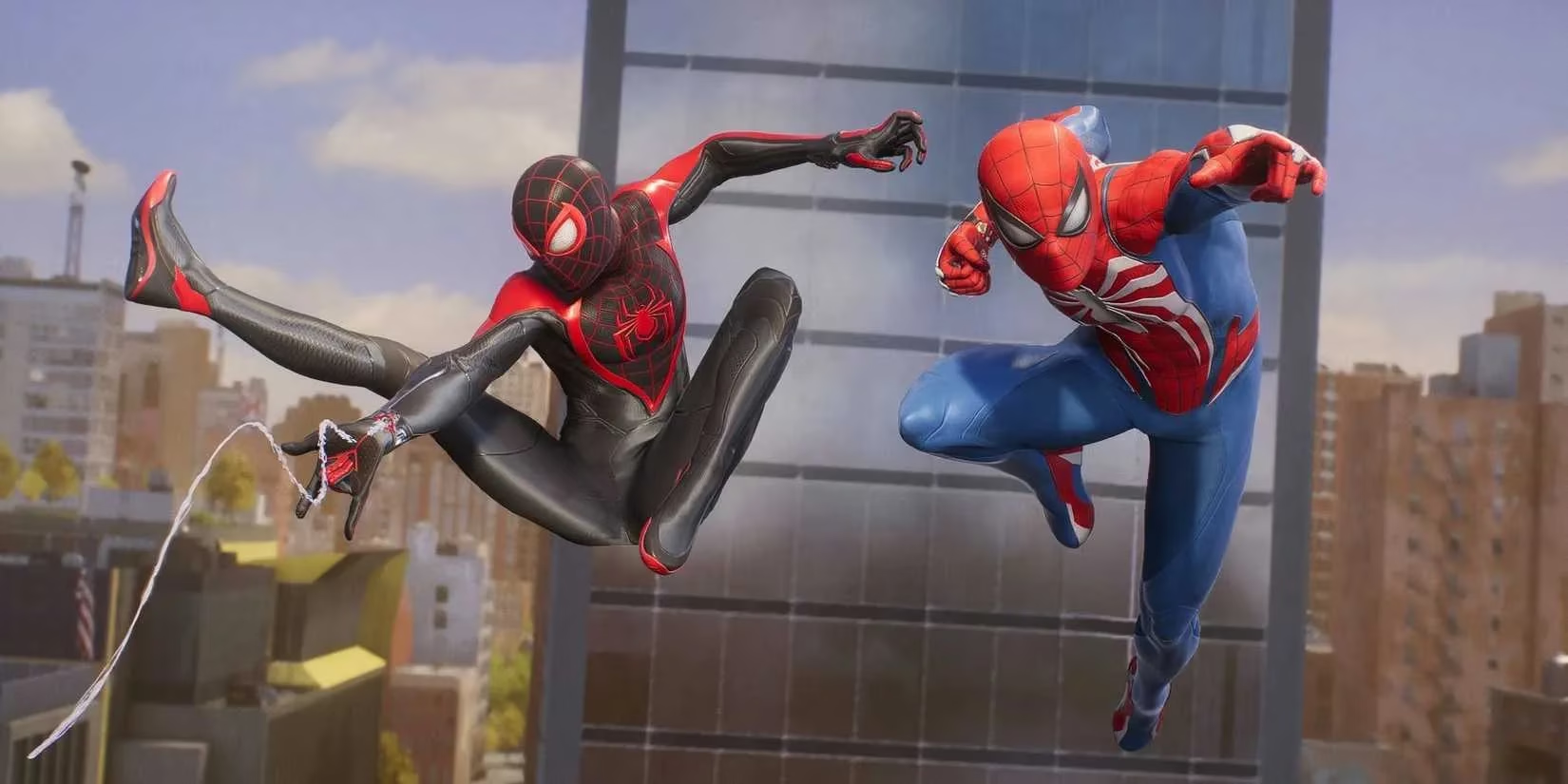
Let's be clear: this is no contest. Insomniac didn't just perfect web-swinging; they bottled pure, undiluted joy. The traversal in Spider-Man 2 is a revelation. The seamless transition from wall-running to web-slinging, to web-wing gliding is so fluid, so instinctual, that moving across the city becomes the primary reward. I've spent hours just swinging, listening to podcasts, and forgetting there was a story to complete. It’s a therapeutic, almost meditative experience. Batman's gliding and grapnel boosting in Arkham Knight are functional and stylish, but next to the sheer athletic poetry of Spider-Man's movement, they feel like commuting. The Batmobile, intended to spice things up, ended up being the equivalent of a traffic jam in an otherwise smooth ride.
Side Content: Depth vs. Checklist
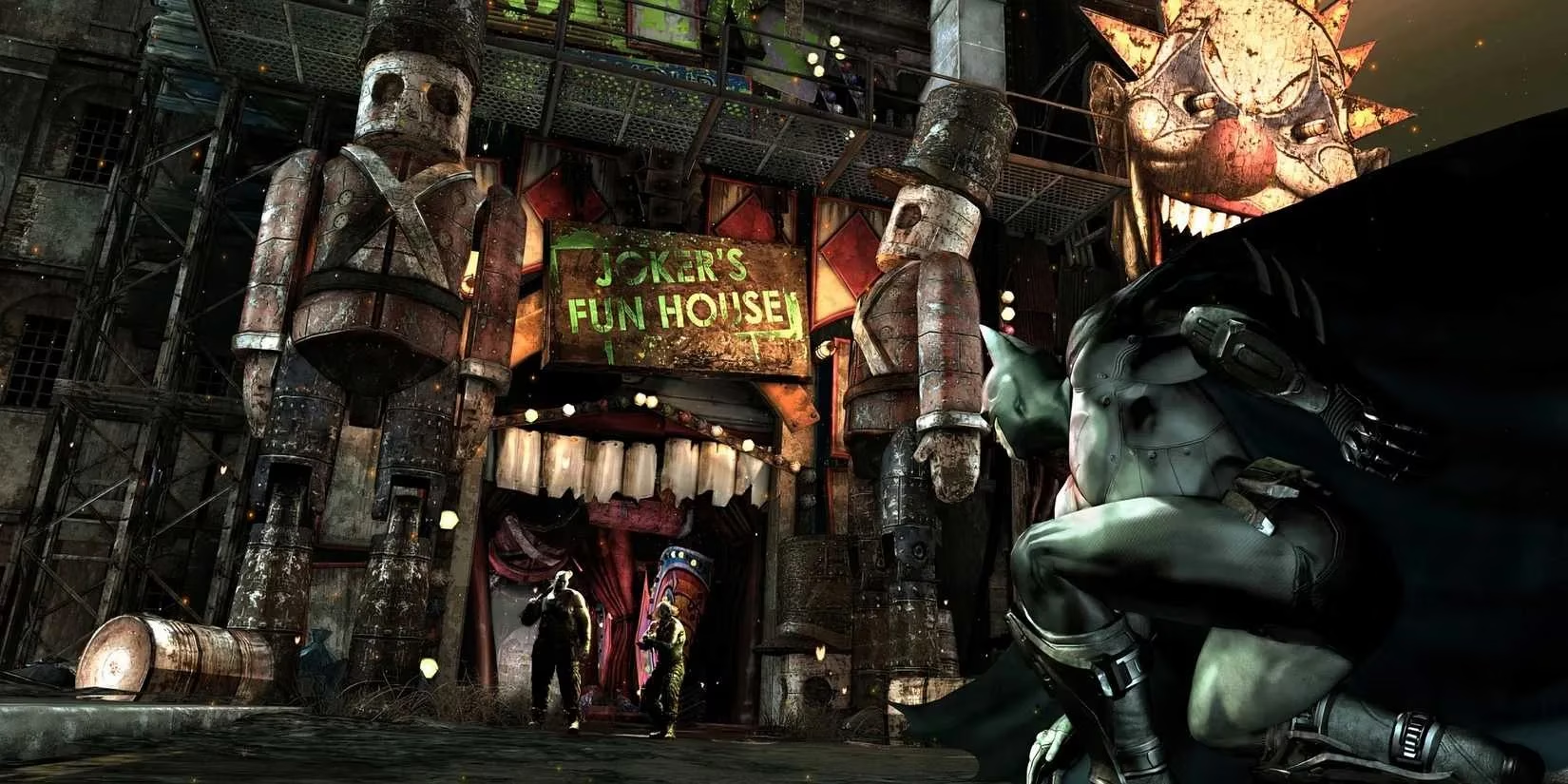
This category highlights a fundamental design philosophy difference. Spider-Man's side activities—collecting backpacks, stopping petty crimes, clearing enemy bases—are fun distractions but often feel like items on a to-do list. They're the gaming equivalent of snack food; enjoyable in the moment but not very filling. I often blitzed through them only when I needed resources for an upgrade.
The Arkham trilogy, particularly City and Knight, treats side content as narrative expansion. Solving the serial killer case in City, tracking down the mysterious "Heir to the Cowl" in Knight, or piecing together the Perfect Crime murders—these weren't chores; they were genuine, compelling detective stories that enriched the world. They made me feel like the World's Greatest Detective. The side missions were like finding hidden chapters of a great novel, while Spider-Man's often felt like filler pages.
Boss Fights: Spectacle vs. Stumble
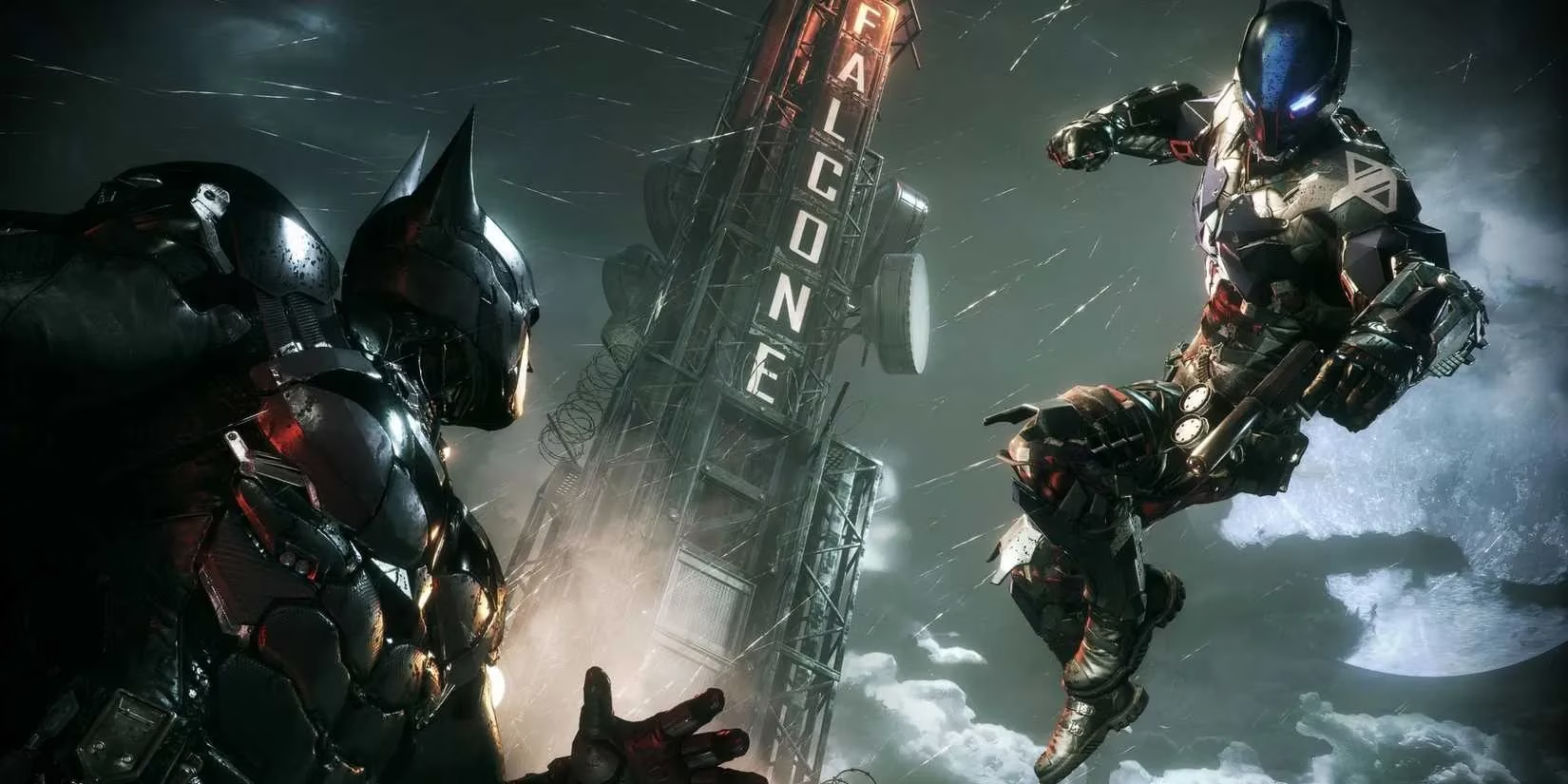
Here, the roles reverse spectacularly. The Rocksteady Arkham games, for all their brilliance, have notoriously weak boss fights (with the stellar exception of Mr. Freeze in City). The climax against the Arkham Knight himself was underwhelming, and the much-hyped duel with Deathstroke in Knight being reduced to a tank battle was a betrayal of mythic proportions. It was like preparing for a heavyweight title fight and being handed a water pistol.
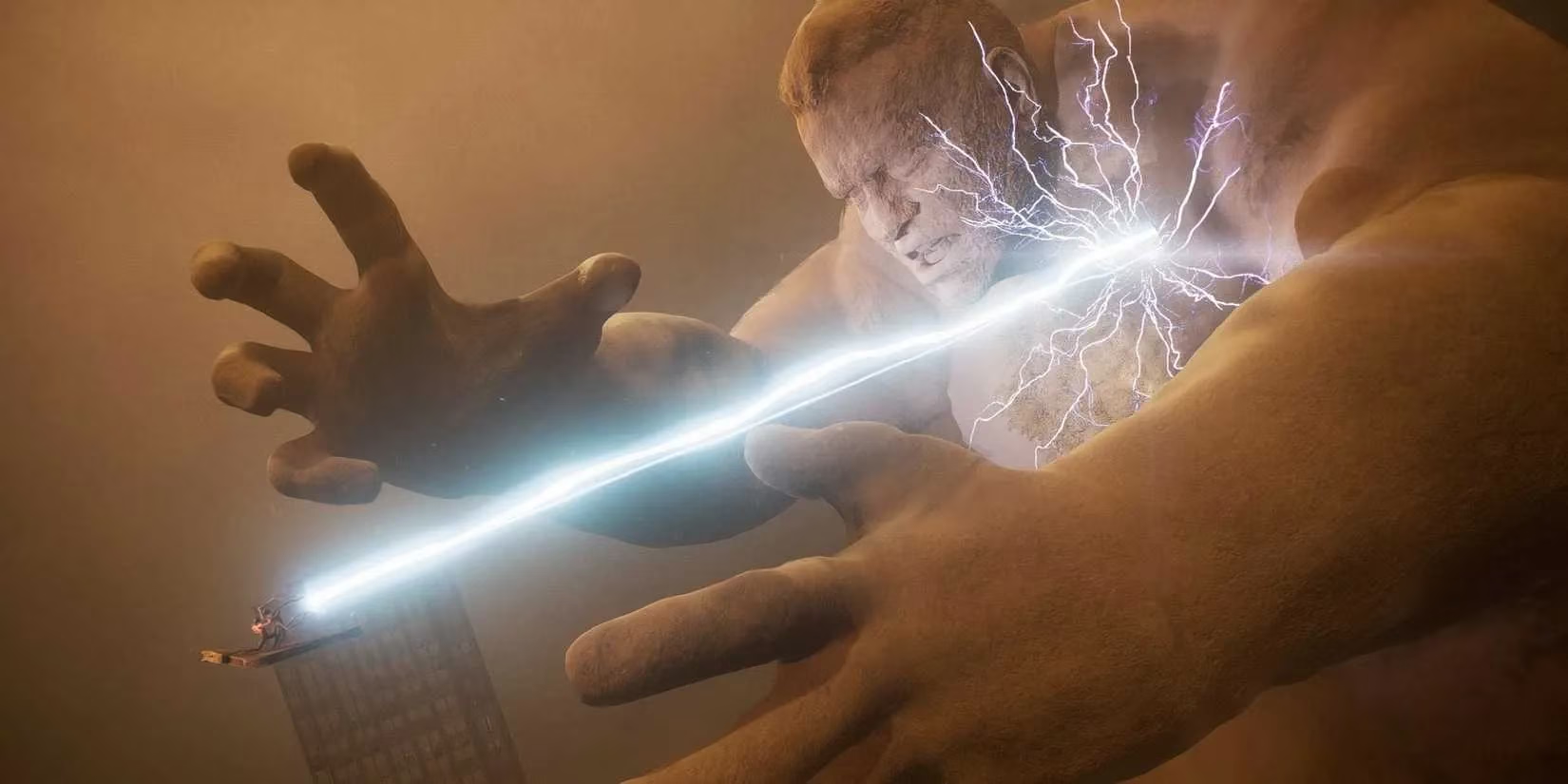
Spider-Man, however, consistently delivers spectacular, set-piece boss battles. The opening fight against Sandman in Spider-Man 2 is a breathtaking scale-shifter, literally throwing you through the city. The emotional and physical showdowns with Doc Ock, Venom, and Mr. Negative are cinematic, challenging, and deeply tied to the character arcs. They are the exclamation points at the end of major story chapters, whereas many of Batman's boss fights felt like misplaced commas.
The Verdict: A Crown Forged in Darkness
Making this call feels like choosing between two limbs. I love the heart, the humor, and the exhilarating freedom of being Spider-Man. The traversal is a gift that keeps on giving, and the character stories stick with me. But when I tally the scorecard of my experience—the relentless narrative tension, the immersive atmosphere that clung to me like a second skin, the strategic depth of combat that made me feel like a genius, and the side content that rewarded my curiosity—the scale tips decisively.
The Batman: Arkham Trilogy is not just a series of games; it is a holistic, uncompromising vision. It is a gothic masterpiece, a self-contained universe that achieves a rare and perfect synergy between gameplay, story, and theme. It made me believe I was Batman in a way no other media ever has. For its consistent excellence across nearly every facet of design and its unparalleled atmospheric achievement, the crown, for now, must rest in the shadows of Gotham. It's a crown as heavy as guilt and as sharp as a batarang, but in 2026, it still fits the Dark Knight perfectly. The friendly neighborhood Spider-Man comes achingly close, but the night, and this title, still belongs to the Batman.