Stealth mechanics have evolved dramatically since their pixelated beginnings in the 1980s, transforming from simple line-of-sight tricks to sophisticated systems of light, sound, and AI behavior. By 2026, the gaming landscape has seen masterful implementations of stealth in franchises like Metal Gear Solid, Dishonored, and Hitman. Yet, for every triumph in shadowy gameplay, there exists a counterpoint—a forced, clumsy, or poorly integrated stealth sequence that disrupts immersion and frustrates players. These sections often feel like unwanted intrusions, mechanics grafted onto experiences where they don't belong, creating moments of friction rather than flow. From action-packed adventures to narrative-driven epics, some of gaming's most celebrated titles are paradoxically remembered for their most maligned sneak-and-hide segments.
The Rhyme Book Robbery That Fell Flat
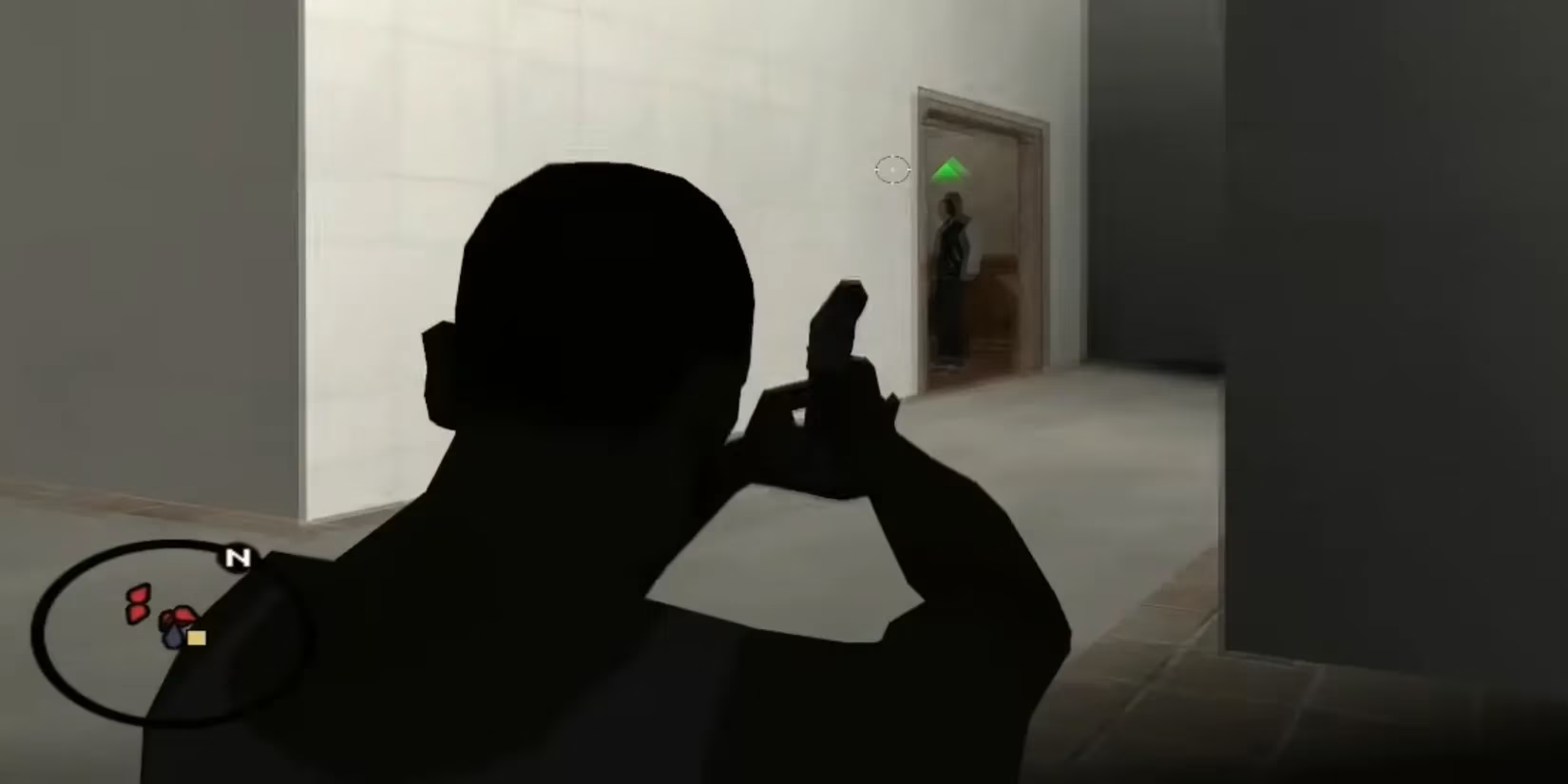
Kicking off this dubious hall of fame is an entry from a legendary open-world chaos simulator. In Grand Theft Auto: San Andreas, players are suddenly tasked with Stealing Madd Dogg's Rhyme Book. For a game built on vehicular mayhem, explosive action, and gang warfare, this mission forces protagonist CJ into a clumsy crouch-walk through a mansion. The stealth mechanics feel archaic and completely alien to the game's core identity. While brief enough to be a minor nuisance, its inclusion highlights a developer experimenting outside their expertise. It's a jarring pivot from the high-octane freedom the series is known for, reminding players that not every genre blend is a successful one.
An Assassin's Tedious Harbor Stroll
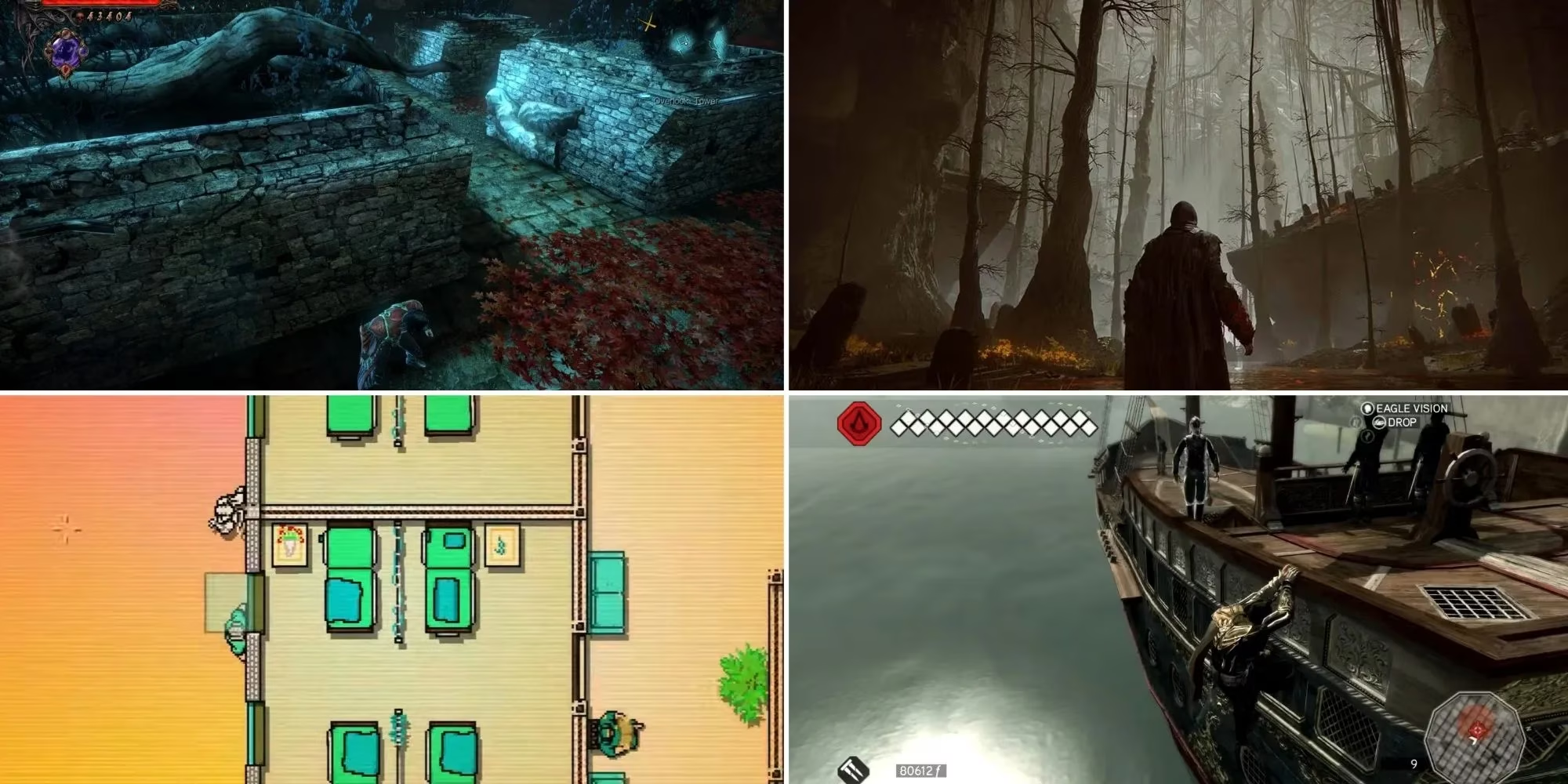
Assassin’s Creed 2 is widely regarded as a pinnacle of the series, perfecting the parkour and social stealth formula. However, even this masterpiece has its sour note: the Port Authority mission. Tasked with assassinating a merchant on a ship, Ezio Auditore must navigate a dock swarming with guards whose patrol routes and sightlines feel unnaturally strict. The mission's difficulty feels less about skillful planning and more about waiting for AI patterns to conveniently slip up. What should be a showcase of the game's stealth toolkit becomes an exercise in repetitive trial-and-error, a stark contrast to the fluid, empowering stealth found elsewhere in Renaissance Italy.
A Witcher Stripped of His Power
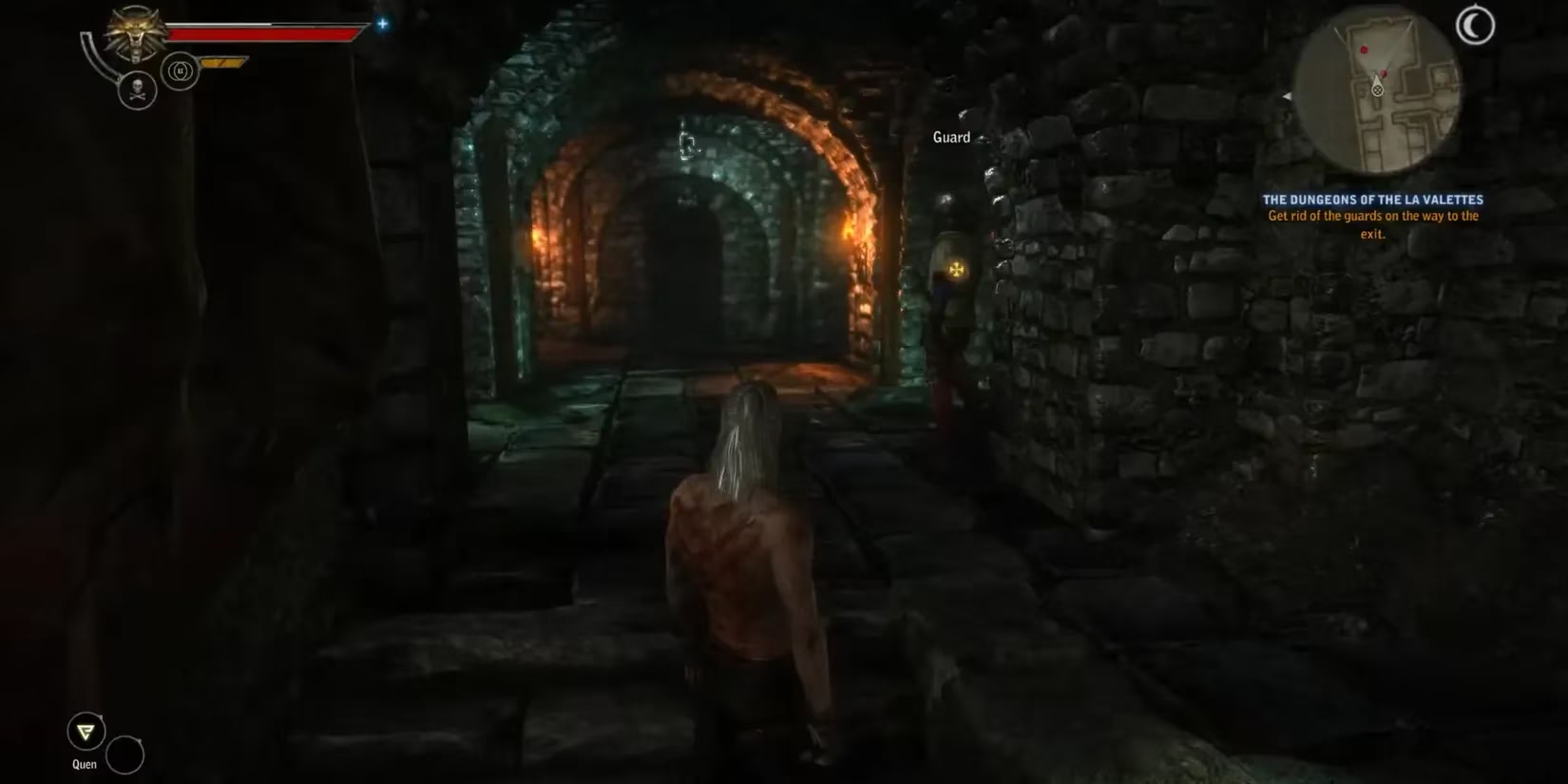
Few sequences are as tonally disruptive as Escape from La Valette Dungeon in The Witcher 2: Assassins of Kings. Following a spectacular, monster-filled siege, players are suddenly stripped of Geralt's signs, potions, and swordsmanship. The mighty Witcher is reduced to tiptoeing past basic guards in a dimly lit prison. Narratively, it makes sense—Geralt is captured and weakened. From a gameplay perspective, it's a punishing pace-breaker that replaces thrilling combat with 15 minutes of tense, vulnerable sneaking. It's a narrative beat that sacrifices player agency and the power fantasy the game had just established, making it a memorable low point in an otherwise epic adventure.
Nathan Drake's Least Thrilling Heist
Uncharted 2: Among Thieves is a landmark in cinematic action-adventure, but its early mission, Breaking and Entering, remains a sore spot. As Nathan Drake, players must infiltrate a museum with severely limited options. The linear, trial-and-error stealth feels antithetical to the series' strengths: explosive set-pieces, witty banter, and fluid traversal. Being forced to restart upon detection feels punitive in a game usually focused on spectacle and momentum. Placed frustratingly early in the campaign, it risks souring new players on the experience before the real adventure begins. The only redeeming feature is the character interplay between Nate and Harry Flynn.
When a Metroidvania Locks Away Its Best Feature
Nine Sols is a brilliant, combat-focused metroidvania praised for its tight parry-based system. That's why The Jail Break chapter is so baffling. It forcibly removes the player's combat abilities, tasking the injured protagonist Yi with hiding in pots and crawling past an invincible jailer. This segment deprives players of the excellent combat system they've been mastering, replacing it with a slow, vulnerable stealth sequence that contradicts the game's core identity. In a genre built on gaining power and mastering mechanics, being suddenly stripped of your tools feels like a punitive detour rather than a clever challenge.
A Trauma That Breaks the Flow
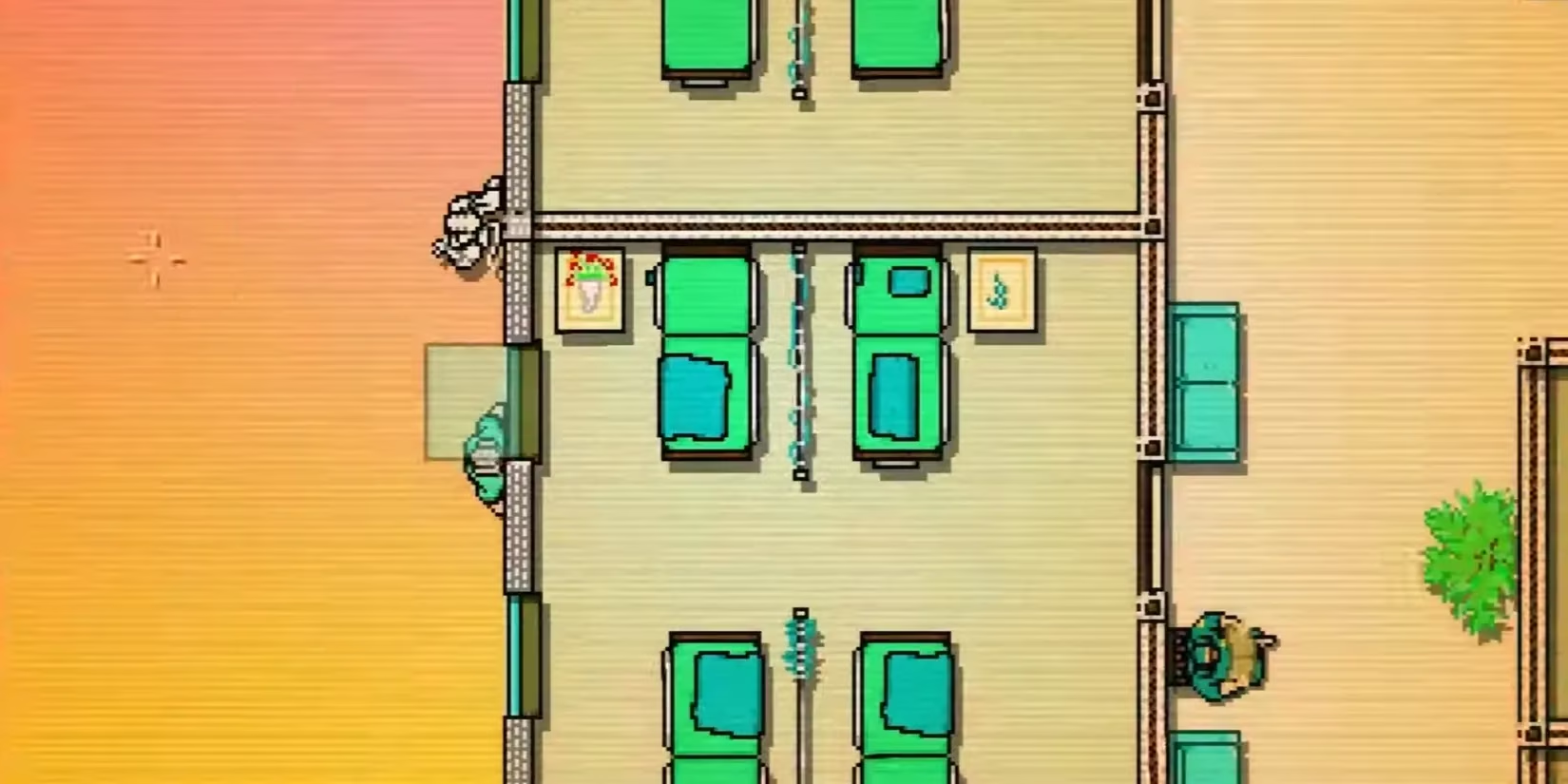
Hotline Miami is synonymous with hyper-violent, synth-wave fueled frenzy. Its gameplay loop is a perfect, brutal rhythm of planning and execution. The Trauma mission shatters that rhythm entirely. Forced into a slow, disorienting stealth segment where the screen shakes and colors blur, players must sneak past enemies in a game built for aggressive confrontation. While thematically relevant—showing the protagonist's fractured mental state—it is profoundly disruptive to the gameplay flow. In a game that can be completed in about two hours, this few-minute sequence feels disproportionately long and annoying.
FromSoftware's Foray into Forced Stealth
Elden Ring: Shadow of the Erdtree delivered a massive and challenging expansion, but its Abyssal Woods area stands out for all the wrong reasons. This hauntingly beautiful zone is filled with enemies that kill in one hit and can only be defeated with precise parries—a tactic most players avoid on a blind run. The result? Players spend their time crouching in bushes, avoiding aggro, and sprinting mindlessly toward the next landmark. It creates a gameplay loop devoid of the careful exploration and rewarding combat the Soulslike genre is famous for. The area feels like a massive, beautiful stage with nothing compelling to do on it, saved only by the quality of its boss fight.
An Ordinary Woman in a Superhero's World
Marvel’s Spider-Man 2 refined the web-slinging formula to near perfection, making the act of being Spider-Man feel incredible. That's why the Mary Jane missions are such a stark contrast. Shifting from the fluid, acrobatic combat and traversal of Spider-Man to MJ's slow, simplistic stealth segments creates severe tonal and gameplay whiplash. While they serve a narrative purpose, they feel like filler. The dissonance is amplified by the fact that MJ can silently take down enemies with an ease that defies logic, even for the superhero she's aiding. These sections disrupt the campaign's flow, feeling like obligatory inclusions rather than organic parts of the adventure.
The Lord of Darkness, Afraid of Leaves
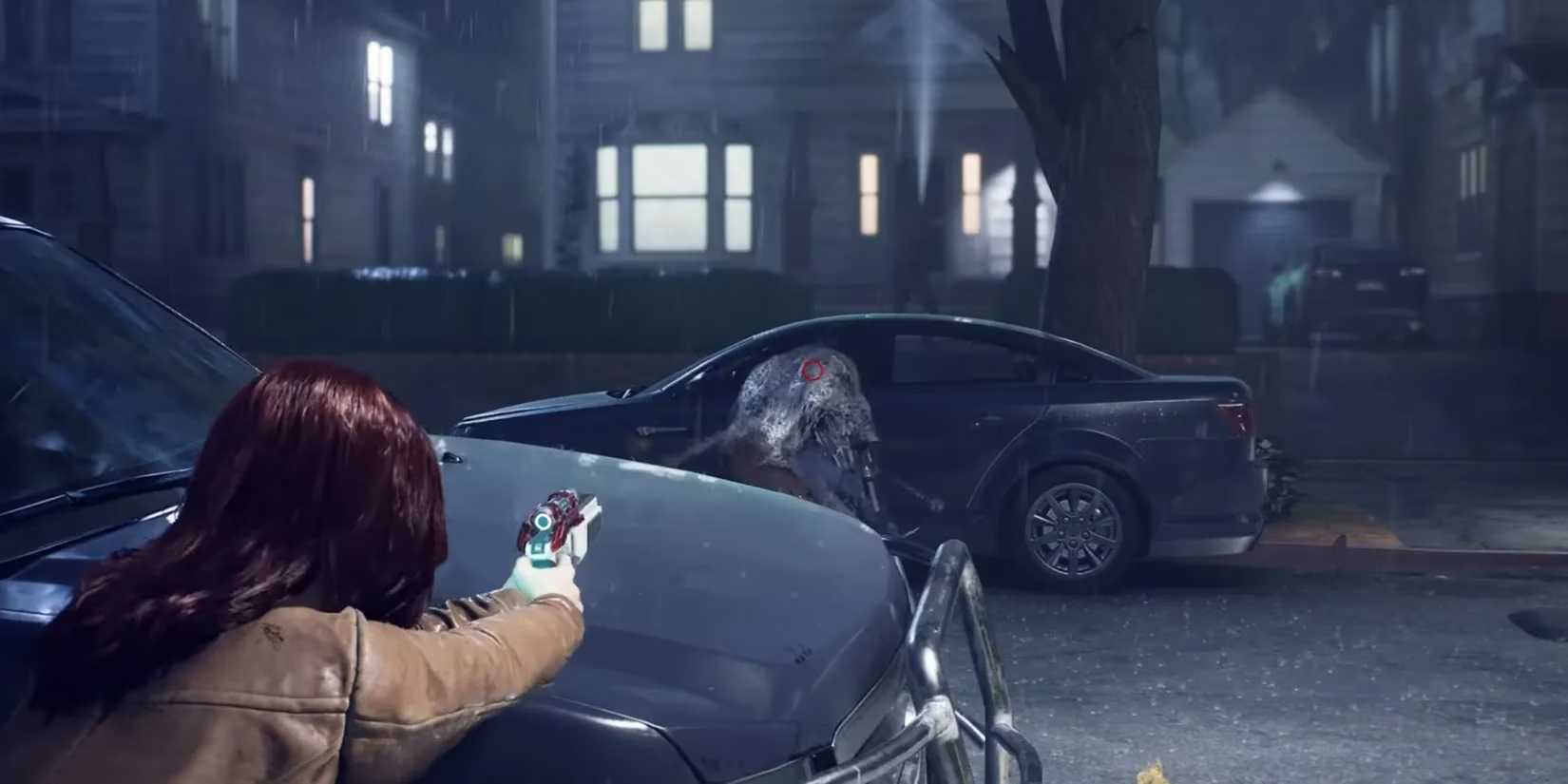
Castlevania: Lords of Shadow 2 had the audacious premise of playing as Dracula at the height of his power. Yet, in the Agreus Garden chapter, the Prince of Darkness is reduced to tiptoeing, avoiding crunchy leaves, and using bells to distract a god while doing low-to-the-ground parkour. The sheer absurdity of this premise makes it one of the most memorable missteps in stealth design. It undermines the power fantasy the game sets up and replaces it with a mechanics-heavy stealth puzzle that feels entirely out of place. For fans of the game, it's a section that tests patience and begs the question: why is Dracula hiding?
A Dream That Became a Nightmare
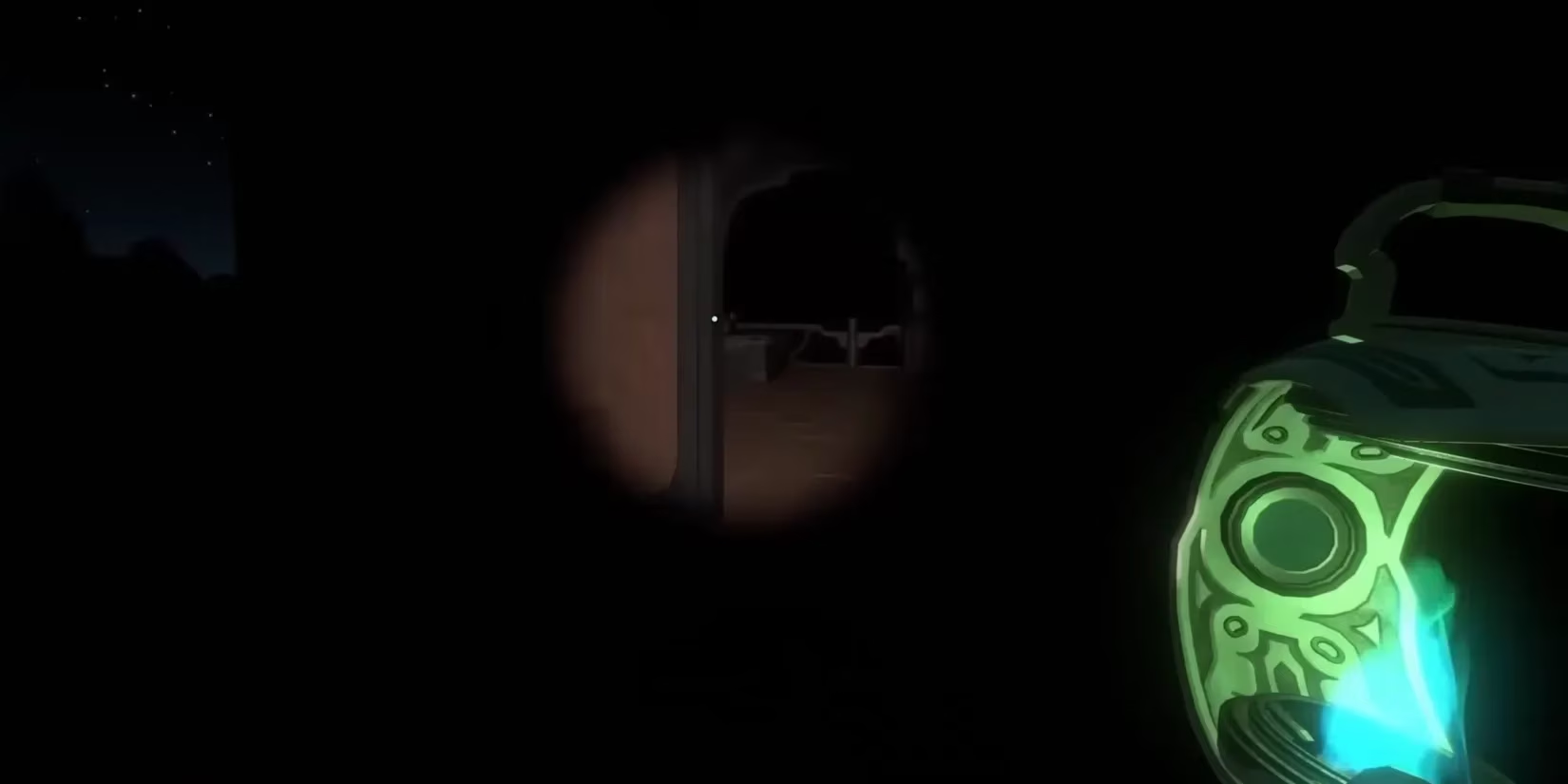
Topping the list is a section from one of the most beloved exploration games of all time. Outer Wilds: Echoes of the Eye is a masterpiece of DLC, expanding the game's mysterious universe with awe-inspiring discoveries. Then, it introduces the Dream World. This area transforms the game's curious, physics-based exploration into a tense, confusing, and punitive stealth-horror experience. Players are plunged into darkness, unable to use their light to see without attracting instant-kill enemies, within a labyrinthine layout they cannot calmly learn. It replaces the base game's empowering cycle of knowledge-gathering with fear and frustration. For a title built on wonder and deduction, this shift into pure avoidance mechanics feels like a betrayal of its core design, making it the stealth section that arguably does the most damage to the otherwise flawless experience it belongs to.
The Common Thread of Failure 🤔
What do these infamous sections share? A fundamental disconnect. They often:
-
Break Established Flow: Halting a game's core gameplay (combat, exploration, action) for a slow, methodical pace.
-
Introduce Underbaked Mechanics: Using simplistic or clunky stealth systems in games not built for them.
-
Contradict the Power Fantasy: Stripping players of hard-earned abilities to enforce vulnerability.
-
Feel Narratively Jarring: Creating a tonal shift so abrupt it shatters immersion.
As gaming continues to evolve beyond 2026, the lesson from these segments is clear: Stealth is a powerful tool, but it must be woven into a game's DNA with care. When it feels like a mandatory minigame rather than an organic extension of the play experience, it risks becoming the moment players remember for all the wrong reasons. The shadowy path is a rewarding one to walk, but only when the game is designed to support every cautious step.