Hey everyone! Let's talk about QTEs, or Quick Time Events. These little moments where the game shouts "PRESS X NOW!" have been around since the 80s, and man, have they gotten a bad rap over the years. We've all been there—watching a cool cutscene, only to get a game over screen because we blinked at the wrong moment. It's like your controller suddenly turned into a live grenade you have to defuse with perfect timing. But here's the thing: when done right, QTEs aren't just annoying button prompts; they can be the secret sauce that makes a game's most epic moments feel truly epic. They can turn a passive movie into an interactive spectacle, making you feel like you're the one landing that world-ending punch or pulling off that impossible escape. So, let's dive into the 10 games that, in my opinion, didn't just use QTEs—they mastered them, turning potential frustration into pure, unadulterated hype.
10. The Wonderful 101: Unite On Command!
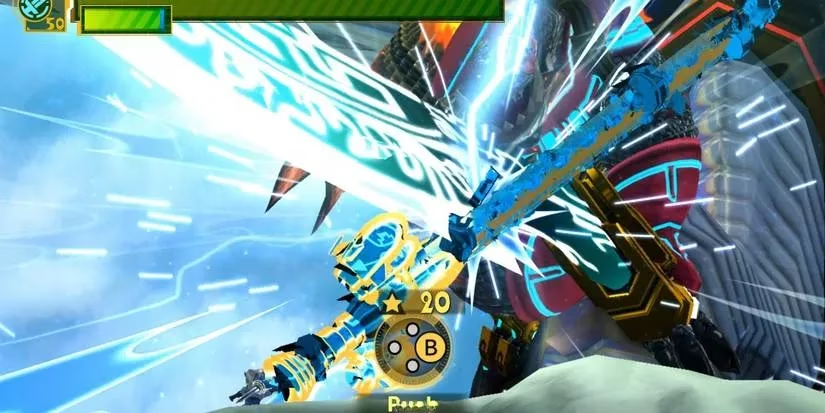
Remember playing with action figures and mashing them together to make a bigger, cooler robot? The Wonderful 101 is basically that fantasy turned into a game, and its QTEs are the glue that holds the whole ridiculous, wonderful operation together. The core mechanic is the Unite Morph, where your squad of heroes forms giant weapons. During boss fights, time slows, and you have to draw a shape with the stick to summon the right weapon. It’s less of a panic button press and more like a quick sketch of victory. Messing up isn't always a disaster, either. Sometimes, the fail animations are so hilarious they're worth seeing, like watching your super-team clumsily fall over each other—a perfect reminder not to take the chaos too seriously.
9. Okami: Influence The World With Art
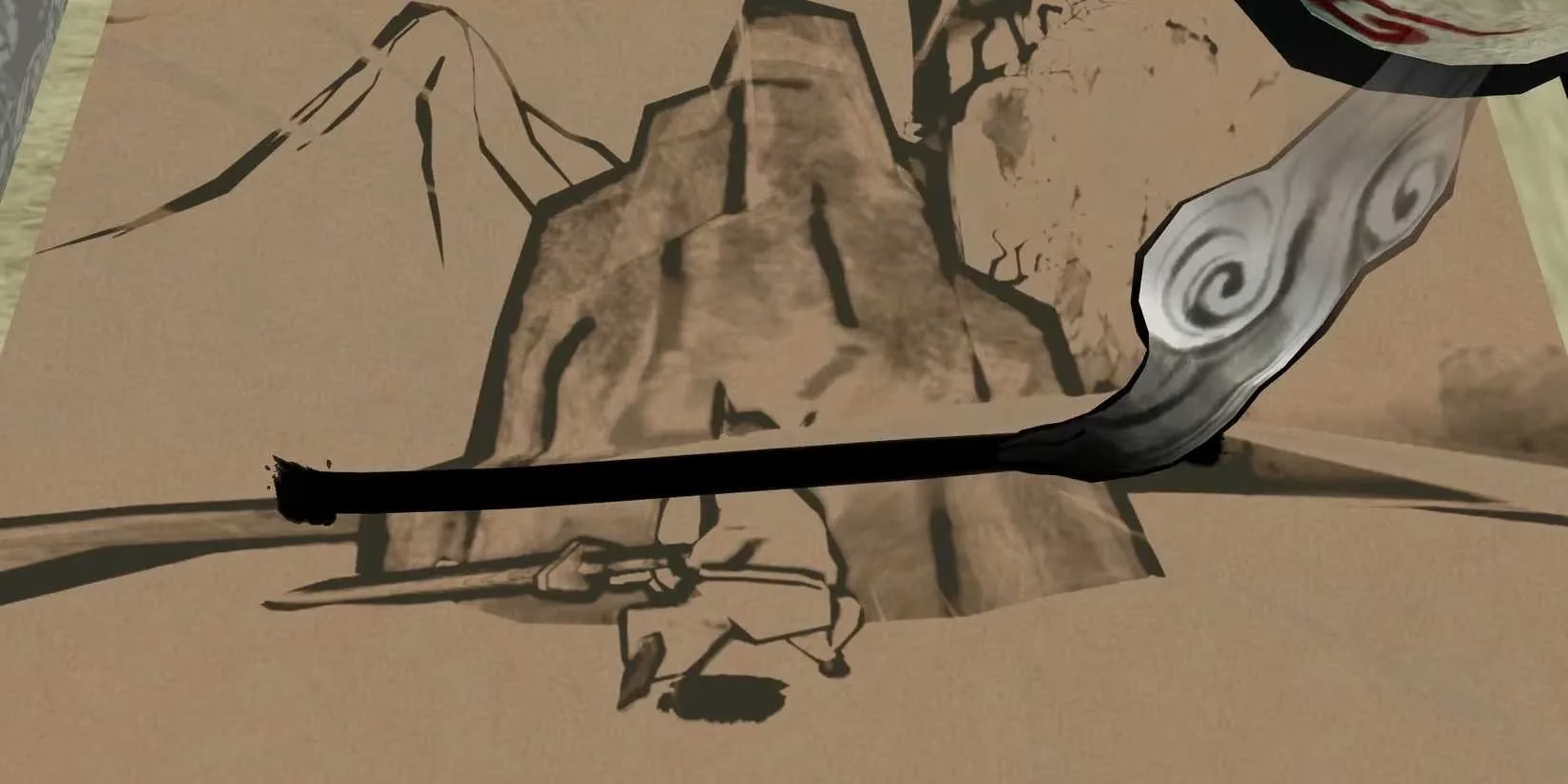
In Okami, you play as Amaterasu, a sun goddess in wolf form. Your main power is the Celestial Brush, which lets you literally paint miracles into the world. The QTEs here are genius because they're woven into the story. Characters will freeze mid-action, their plans hilariously falling apart, and it's your cue to bring up the brush and fix everything. It’s not about reacting to danger; it's about divine timing. For example, when the braggart warrior Susano tries to show off his sword skills, you have to wait for the perfect moment to slash his training dummy, making him look like a hero. These moments make you feel less like a player hitting a button and more like a benevolent, artistic force of nature.
8. Asura’s Wrath: A Spectacle Of Fists
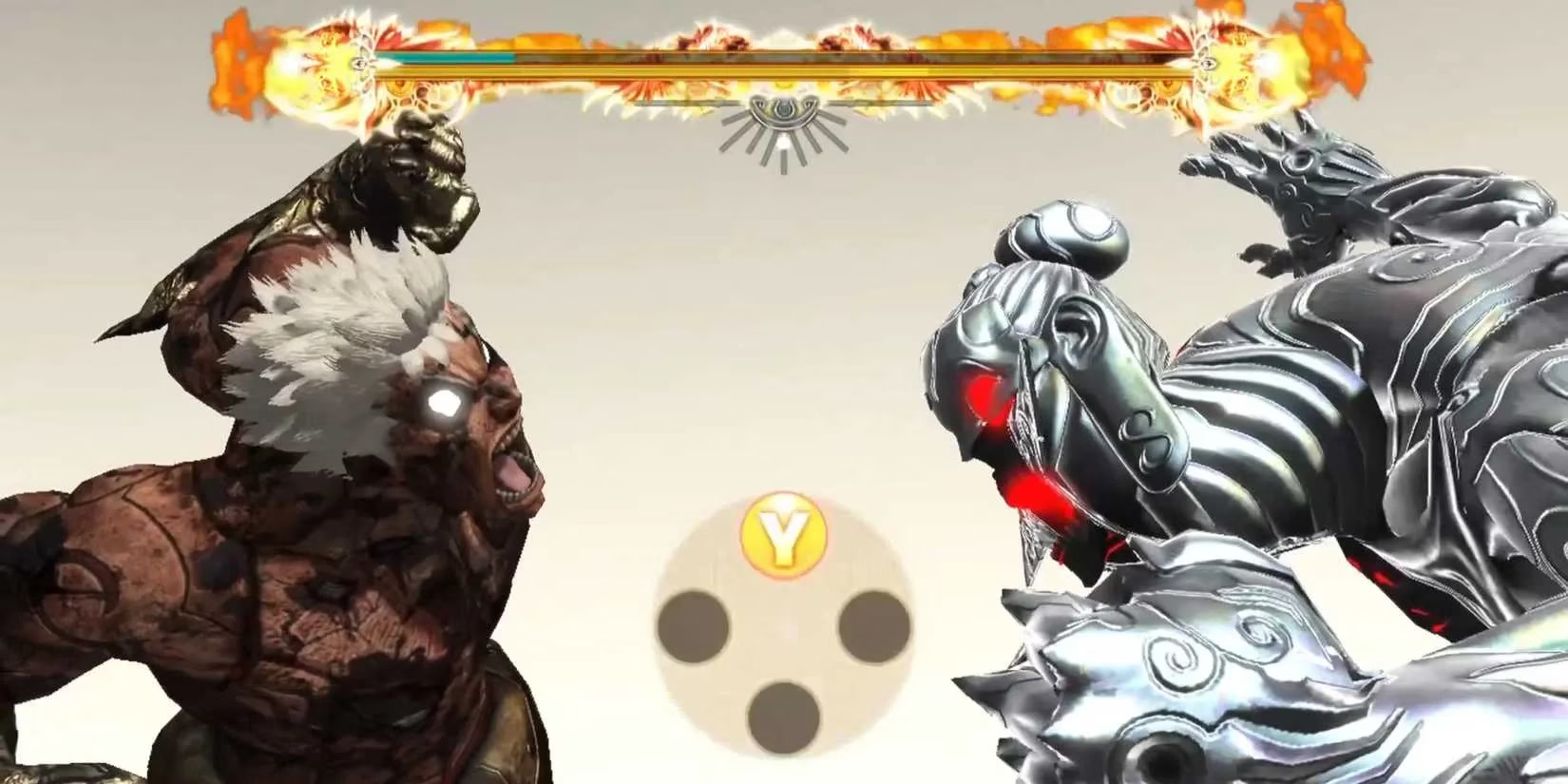
If any game is proof that QTEs can be the main event, it's Asura's Wrath. This game is basically an interactive anime where you punch gods so hard the screen cracks. The QTEs here are the gameplay during its most insane moments. You're not just watching Asura punch a planet-sized deity; you're mashing the button to make him punch harder. The brilliance is in the grading system: a good press deals damage, but a perfect press unleashes maximum fury. Botching one feels like dropping the beat in the middle of a guitar solo—you just lose a bit of health and get to try again. It turns every cinematic into a skill-based test of your own rage, matching the protagonist's.
7. Marvel’s Spider-Man: With Great Power Comes Great Timing
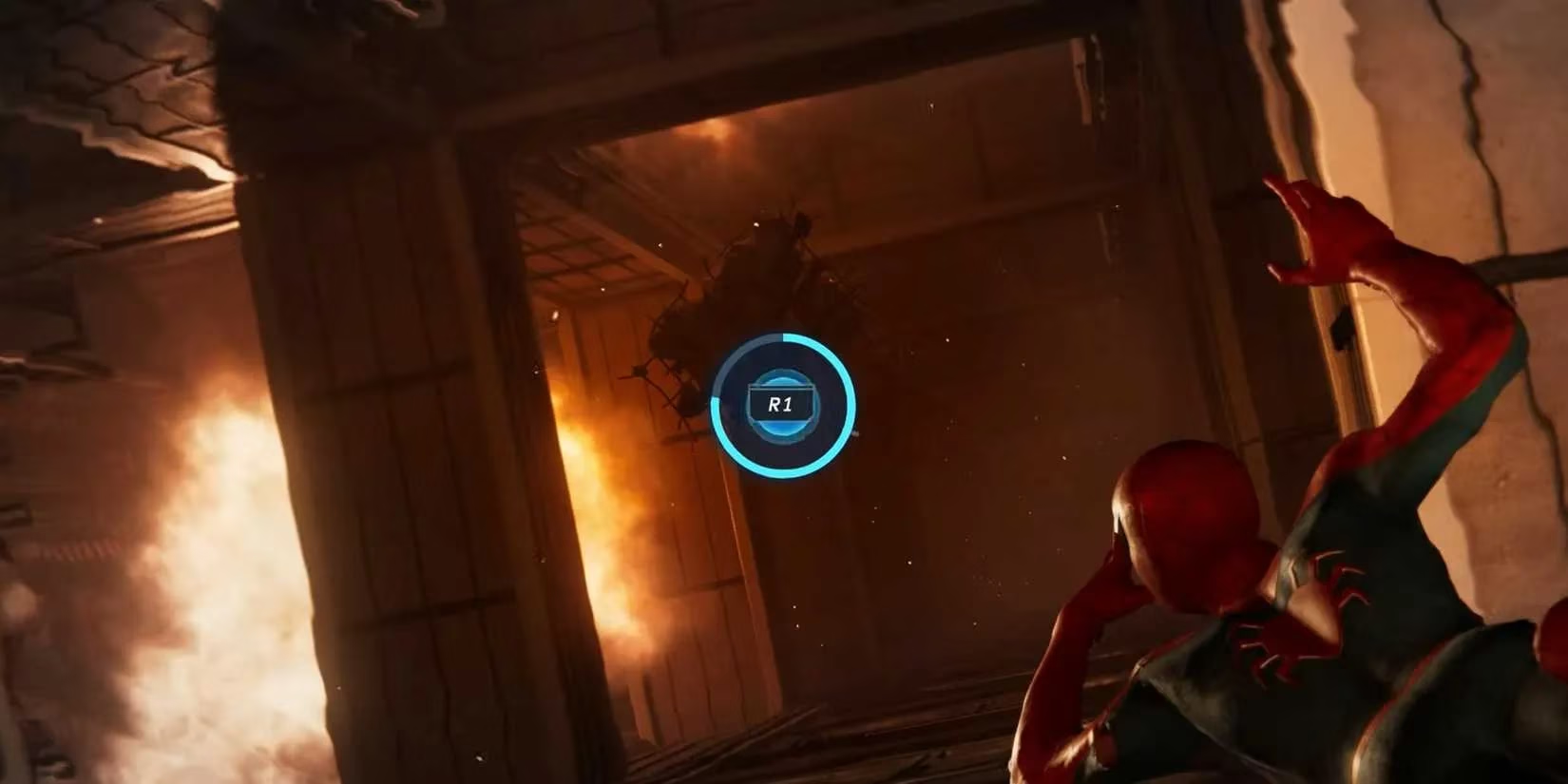
Spidey's whole thing is agility and split-second reflexes, so QTEs in Marvel's Spider-Man feel less like a minigame and more like an extension of his powers. Swinging to save a falling citizen? A well-timed button press makes the catch seamless. In combat, they punctuate finishers and heavy moves, making every takedown feel cinematic and earned. The game also used the PS5's DualSense controller masterfully—pulling the adaptive trigger to fire a web shot in a QTE context made it feel tangible, like you were truly flexing your own wrist to shoot a web. It’s a perfect example of QTEs enhancing immersion rather than breaking it.
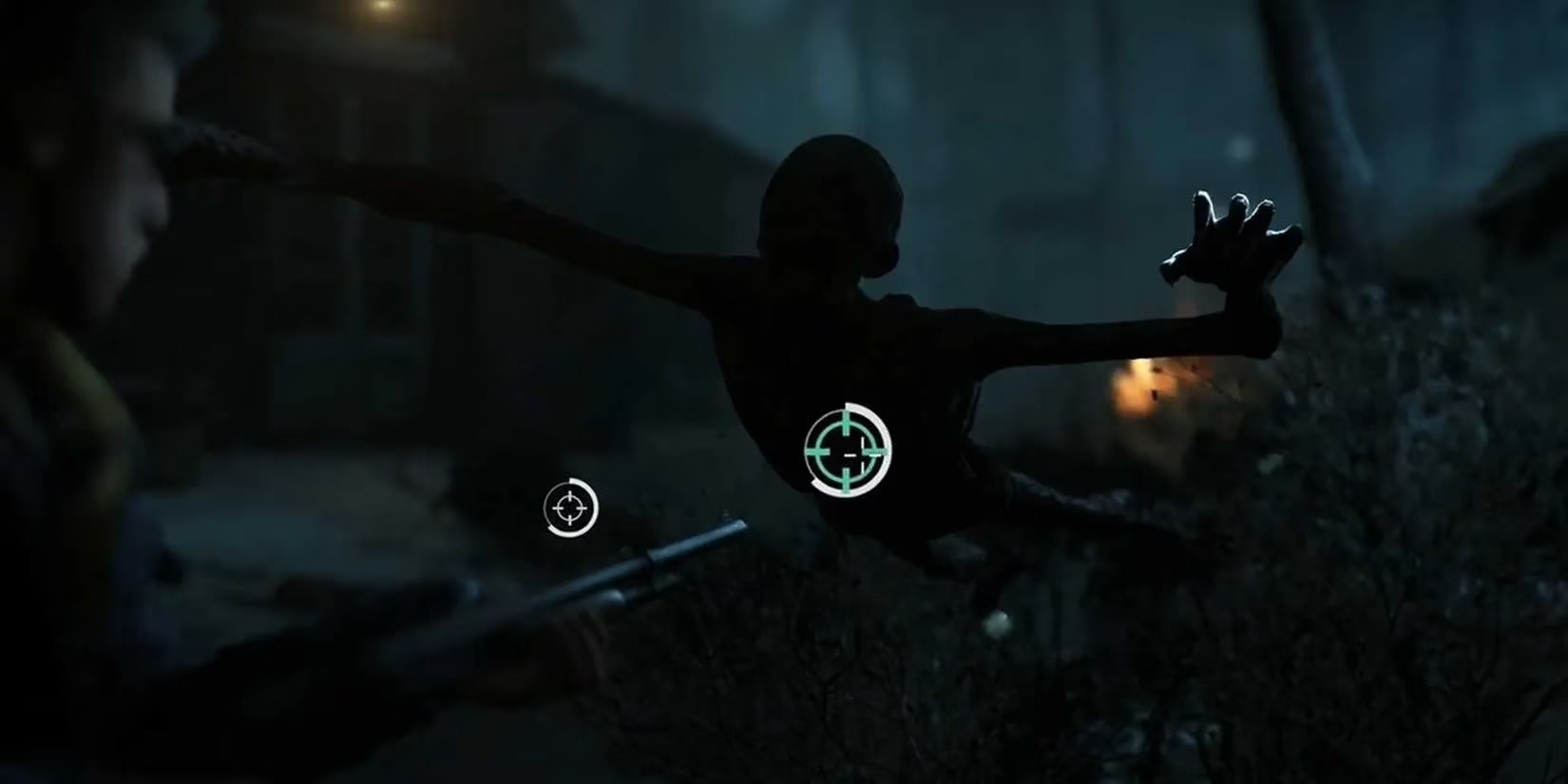
6. Until Dawn: Whatever Happens, It’s Your Fault
This is where QTEs evolve from action prompts into narrative tools. Until Dawn is an interactive horror movie, and every QTE is a potential life-or-death decision. The twist? Sometimes, the best choice is to do nothing. A quick-time event might urge you to jump out of hiding, but staying still could save your life. Failing a prompt isn't always a fail state for the story; it might lead to a different, sometimes better, branch. This turns every button prompt into a nerve-wracking dilemma. You're not just testing your reflexes; you're second-guessing every horror movie trope you know, making the tension thicker than the mountain fog.
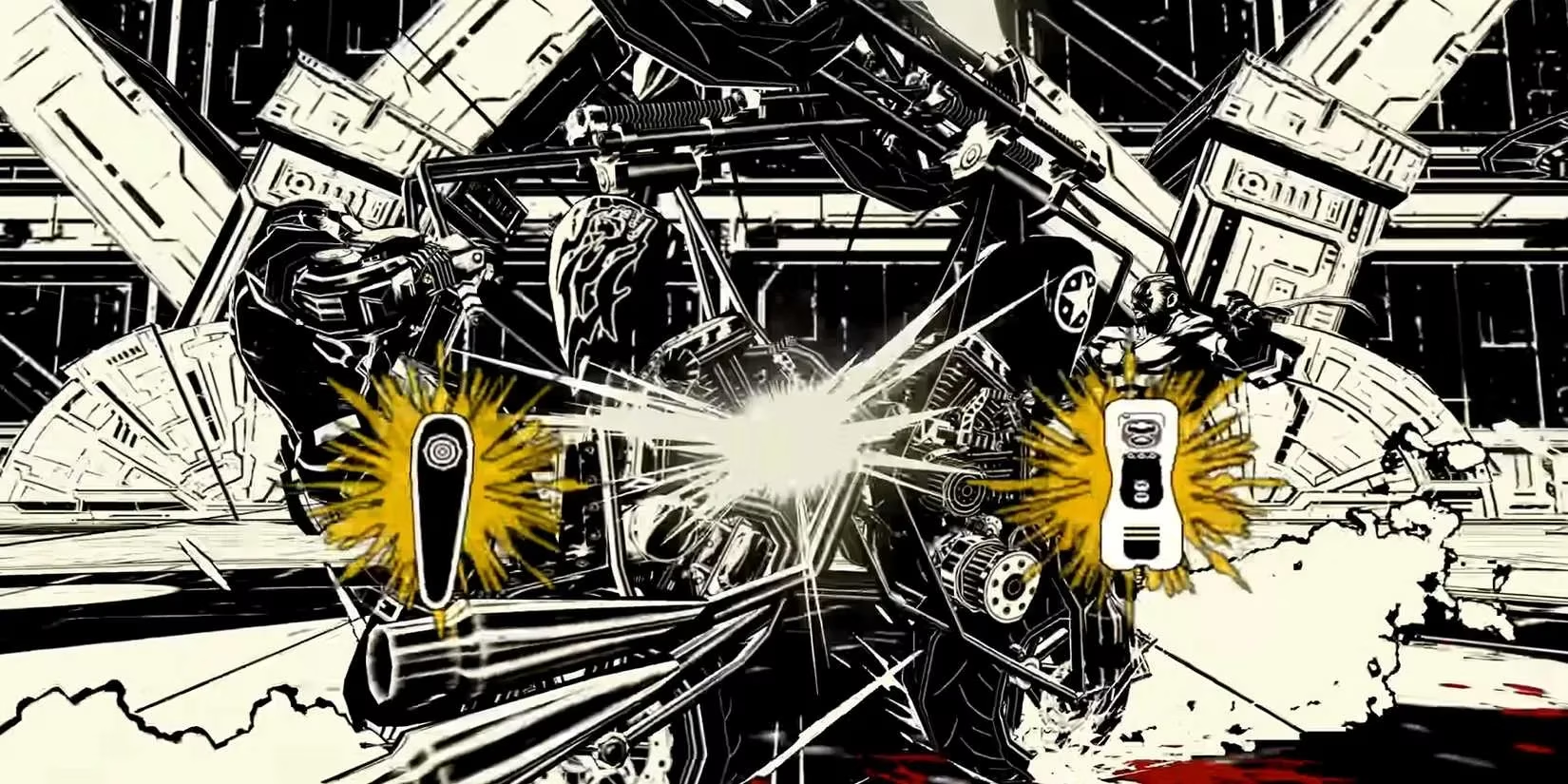
5. MadWorld: Waggle Like You’ve Never Waggled Before
On the Wii, QTEs could be a waggle-filled nightmare, but MadWorld embraced the chaos and made it awesome. This ultra-violent, black-and-white brawler used the Wii Remote's motion controls for its brutal finishers. Dragging a guy to a spiked wall? A swift downward swing impales him. The QTEs were visceral, intuitive, and satisfyingly chunky. Boss fights had extended sequences, like rapidly shaking both the remote and nunchuk during a motorcycle clash. It was like the game turned your controller into the weapon itself, making every kill feel personal and absurdly over-the-top.
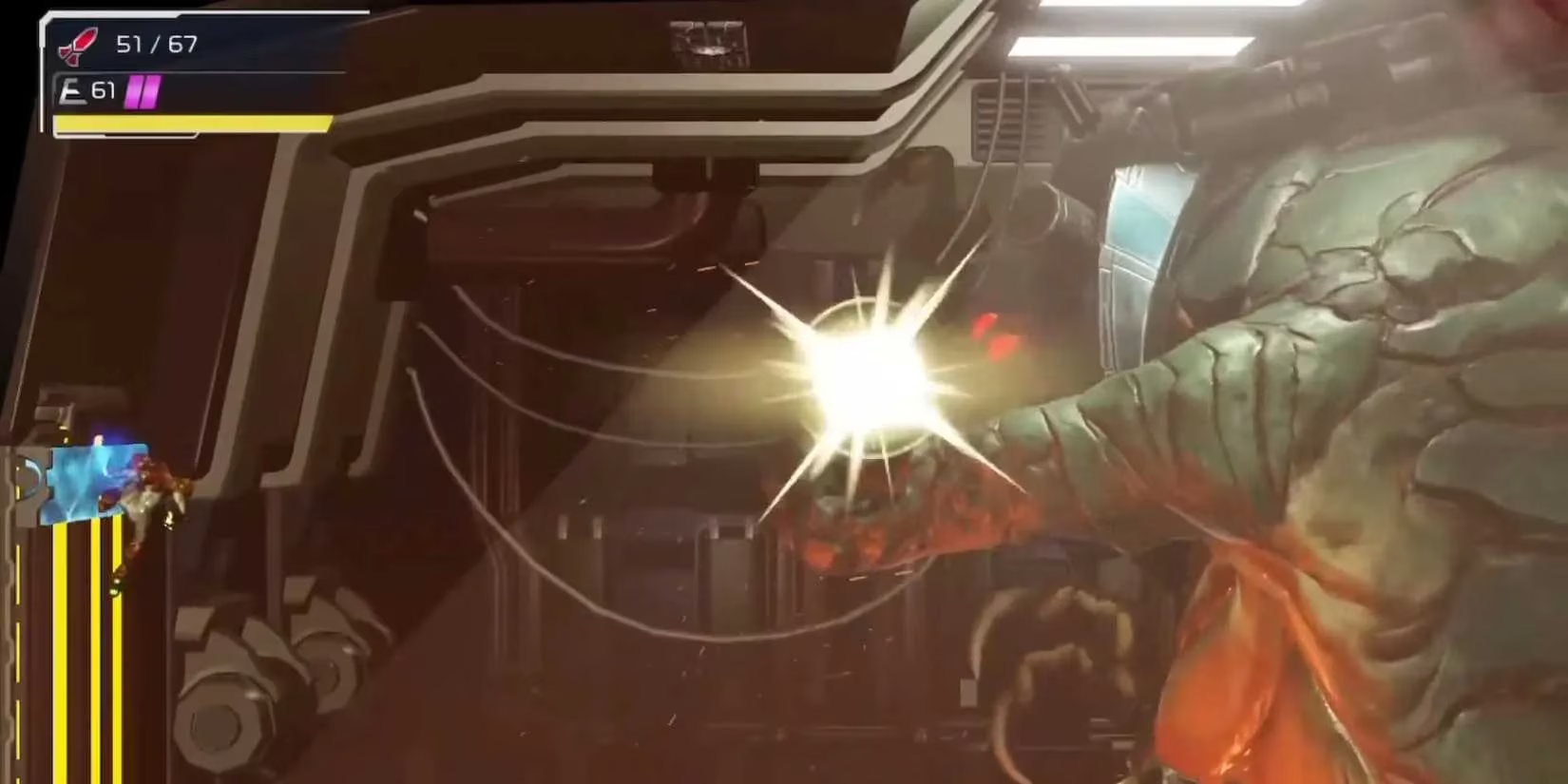
4. Metroid Dread: Finish ‘Em Off
Metroid Dread uses QTEs sparingly but perfectly. They're tied to the counter mechanic, your key to survival against the terrifying E.M.M.I. robots and brutal bosses. When an E.M.M.I. catches you, you get one nearly impossible counter prompt to escape—a moment of pure, desperate panic that feels like trying to thread a needle during an earthquake. Succeeding is a rush like no other. For bosses, a final flash prompts a counter to end the fight in a slick cinematic. These QTEs aren't frequent interruptions; they're climactic exclamation points on the game's tensest encounters.
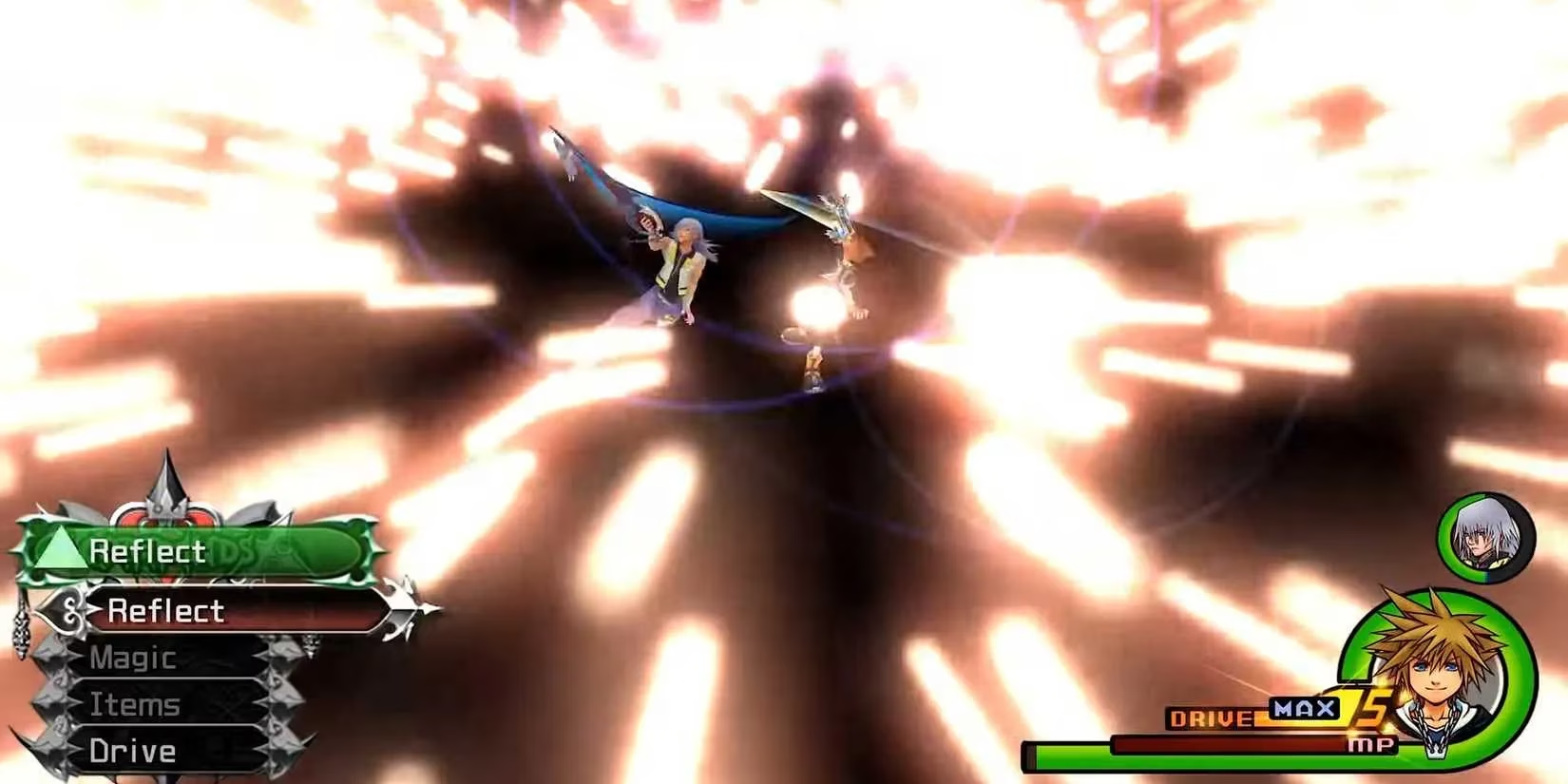
3. Kingdom Hearts II: Watch For The Green Triangle
KH2 introduced Reaction Commands, and they changed everything. That glowing green triangle wasn't just a QTE; it was an invitation to style on your enemies. Pressing it at the right moment could trigger anything from a simple parry to an elaborate, multi-step cinematic sequence. The final battles against Xemnas are a masterclass. One command changes effect based on how long you wait, adding a layer of strategy. Another has you mashing to deflect a barrage of lasers alongside Riku, making you feel the shared struggle. These commands made the flashy, anime-inspired combat feel directly responsive to your input.
2. Yakuza 0: Feel The Heat
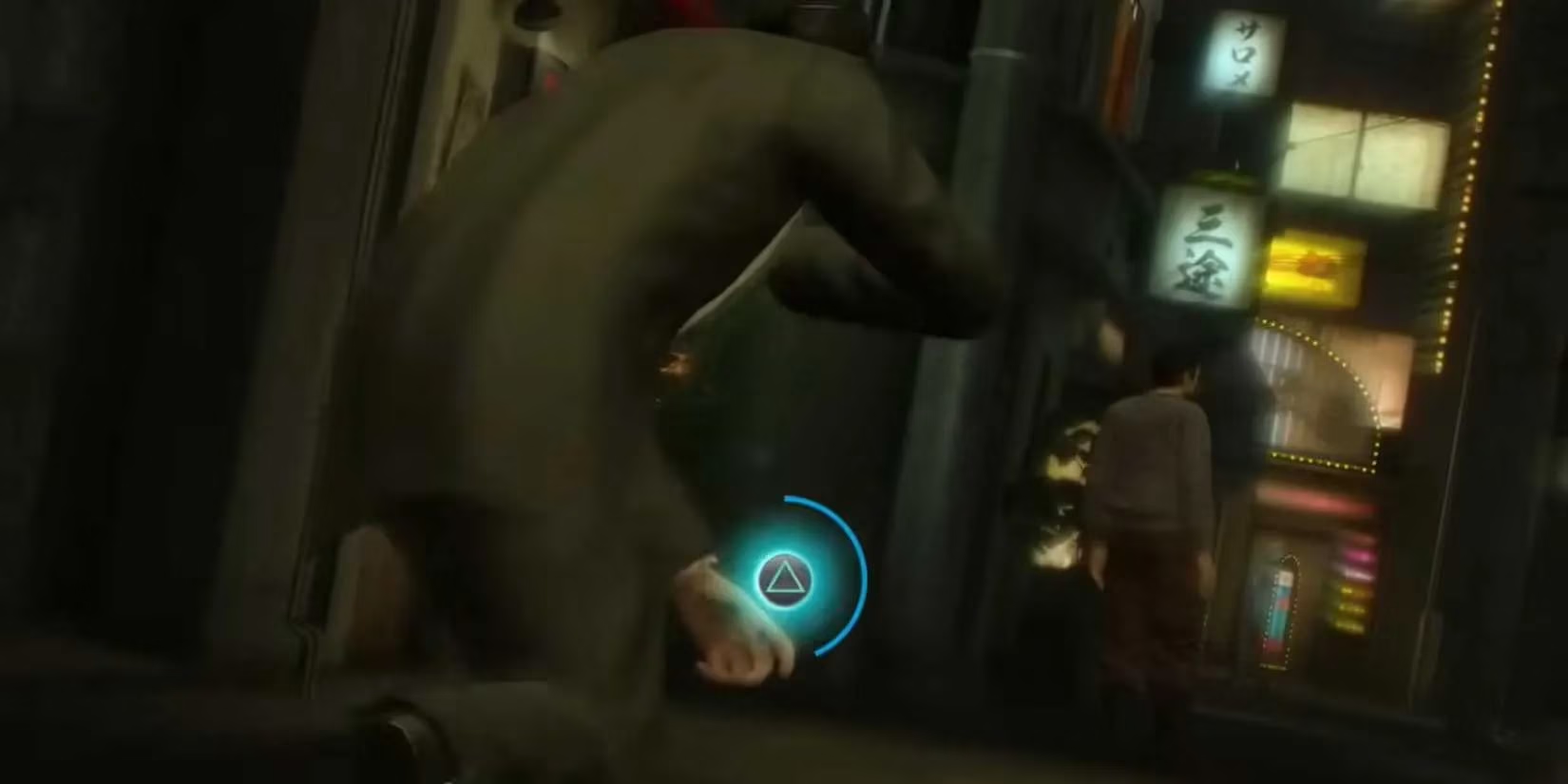
The Yakuza series is built on cinematic brawls, and its QTEs are the punctuation marks. Yakuza 0 uses them perfectly in its dramatic set-pieces. Storming a rival family's headquarters? QTEs pop up as thugs ambush you around corners, simple timing presses that keep you engaged in the chaos. Major boss fights feature scripted grapples or super moves you need to counter. They're never overly complex, just quick tests of attention that make you feel like Kiryu or Majima, reacting with cool precision amid the hurricane of fists. It’s like the game is giving you a high-five right in the middle of a knockdown, drag-out fight.
1. Metal Gear Rising: Revengeance: Cyborg Reflexes
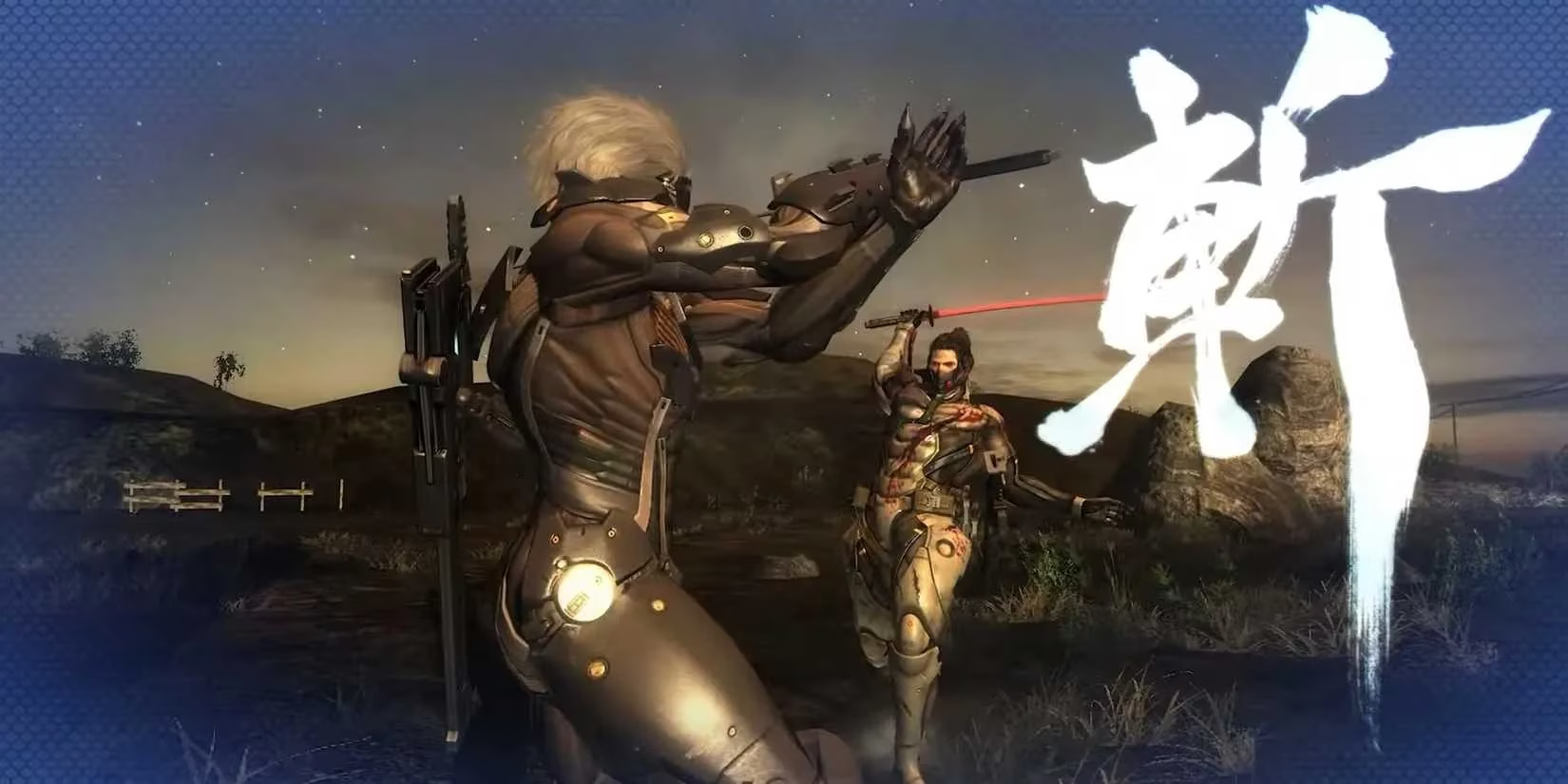
And here we are at the top. Metal Gear Rising: Revengeance doesn't just use QTEs; it bakes them into its core identity. As the cyborg ninja Raiden, your signature move is Blade Mode, which slows time to let you slice anything into a thousand pieces. The game's best QTEs activate this mode, letting you perform Zandatsu (cut and take) on massive enemies. It’s not a random button prompt; it's you activating your superhuman reflexes to dissect a robot dinosaur. The final boss fight against Senator Armstrong is a QTE symphony—mashing, timing, slicing—that perfectly mirrors the escalating, meme-worthy insanity of the battle. In this game, a QTE isn't an interruption; it's the main course, served with a side of heavy metal and rule-of-cool. It makes you feel like a precision instrument of destruction, a scalpel moving at the speed of a bullet train.
Final Thoughts
So, what's the secret? Looking at these games, the best QTEs share a few things:
-
They Feel Earned: They're part of a mechanic (like Okami's brush or MGR's Blade Mode) or a narrative moment (Until Dawn), not random surprises.
-
They Enhance, Not Interrupt: They make cinematic moments interactive, pulling you deeper into the action.
-
Failure Isn't Always Catastrophic: Many offer retries or humorous fails, reducing frustration.
When a QTE is done right, it stops being a command and starts being a conversation between you and the game's coolest moment. It’s the difference between watching a superhero land a punch and feeling your own thumb provide the impact. Here's hoping more games in 2026 and beyond learn from these masters and remember: a good QTE should make us say "YEAH!" not "Ugh, again?"