Marvel's Spider-Man 2 did not sneak onto PC quietly. The game arrived on Steam and Epic Games Store on January 30, 2025, roughly a year and a half after its October 2023 PS5 debut. For players looking back from 2026, the interesting part is not just that the port exists, but how Nixxes chose to handle it. The studio behind several PlayStation-to-PC conversions waited until the final day before launch to explain the PC-specific features, and that late briefing answered many questions fans had been asking for months. Would the port support modern upscaling? Would ultrawide owners get proper treatment? Would a PlayStation Network account be mandatory? The short answers were yes, yes, and no.
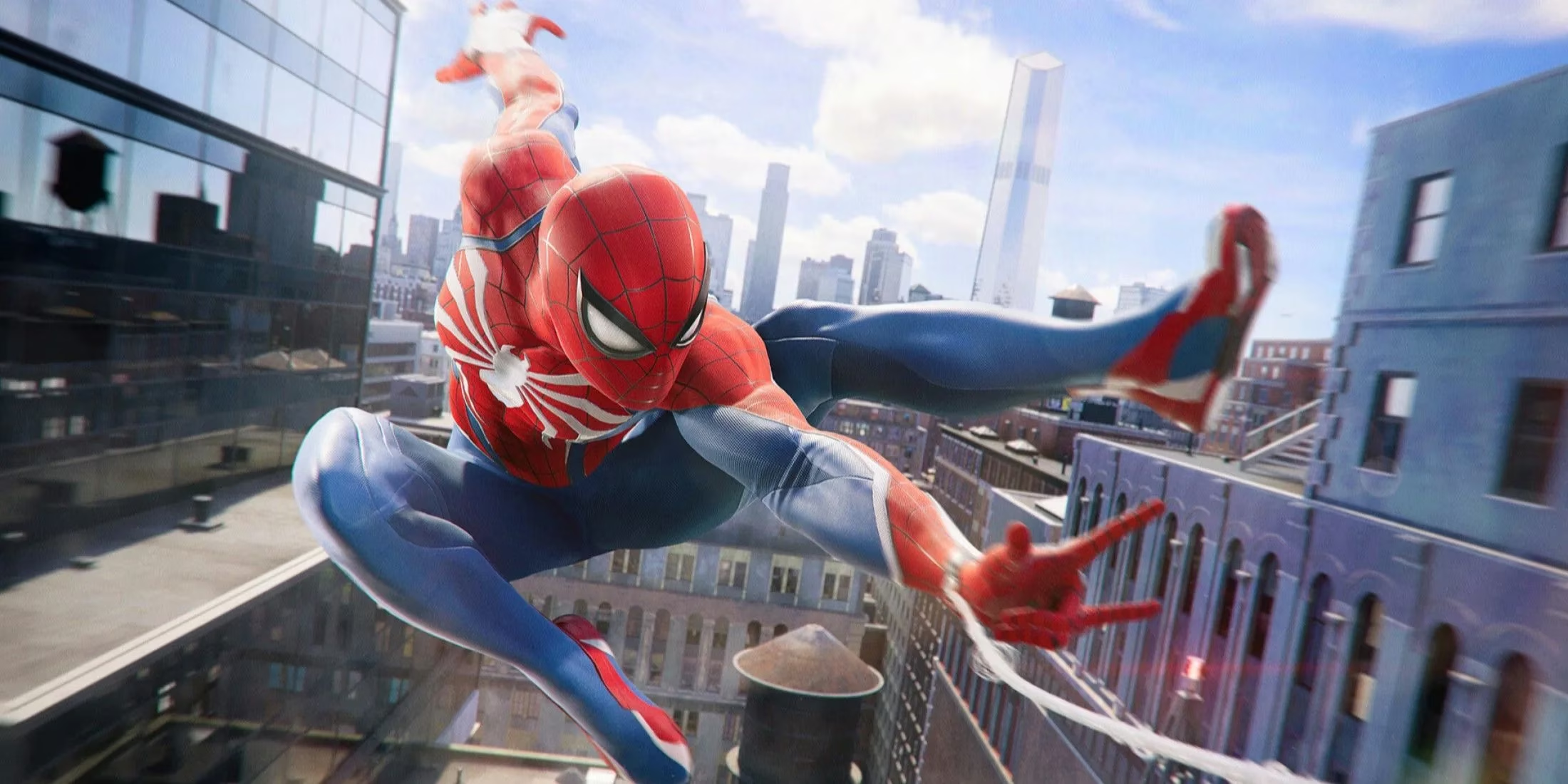
The PC feature list that defined the port
Nixxes did not treat Marvel's Spider-Man 2 as a bare-bones conversion. On high-end PCs, Nvidia's DLSS Ray Reconstruction can improve raytracing quality on supported graphics cards, including the RTX 40 and RTX 50 series. That matters because raytracing is often the first setting players disable when performance dips. Nixxes also confirmed support for AMD's FSR and Intel's XeSS upscaling technologies, giving players on different hardware a way to chase higher frame rates without abandoning the visual style. For a regular player, that flexibility is more valuable than a long list of buzzwords. Who wants to buy a big superhero game and then fight the settings menu for an hour? 😅
The display support is equally notable. Marvel's Spider-Man 2 runs on ultrawide monitors at 21:9 or 32:9 aspect ratios, and it even supports triple-monitor setups at 48:9. That is the kind of feature that makes a PC port feel like it was planned for PC players rather than merely tolerated. The game can run at minimum settings on GPUs such as the Nvidia GeForce GTX 1650, according to Nixxes. Raytracing is a different story. It requires a high-end GPU, such as the RTX 4070 or AMD Radeon RX 7900 XT, along with a multicore processor such as the AMD Ryzen 5 5600X or newer. In other words, the port offers a wide door for entry but keeps the shiny raytraced window behind a more expensive gate.
| Feature | What Nixxes confirmed |
|---|---|
| Nvidia DLSS Ray Reconstruction | Improves raytracing quality on supported RTX 40 and RTX 50 series cards |
| AMD FSR and Intel XeSS | Upscaling options for supported hardware |
| Ultrawide support | 21:9 and 32:9 aspect ratios, plus triple-monitor 48:9 |
| Minimum-setting GPU example | Nvidia GeForce GTX 1650 |
| Raytracing GPU examples | RTX 4070 or AMD Radeon RX 7900 XT |
| Raytracing CPU example | AMD Ryzen 5 5600X or newer |
| PSN account | Optional, not required |
| PSN extras | Trophy and friend list support, plus two Spider-Man 2099 suits |
| Preorder bonuses | Permanently available as PC purchase perks, including Arachknight and Shadow-Spider suits |
PSN, suits, and the question of value
The account question was one of the loudest before launch. Nixxes confirmed that a PlayStation Network account would not be required to play Marvel's Spider-Man 2 on PC. PSN remains optional for trophy and friend list support. Players who use it get two new suits for Peter and Miles based on Spider-Man 2099. That is a smart compromise: no forced sign-in, but a small bonus for people already inside the PlayStation ecosystem. Is that enough to convince a hesitant player? It depends on how much they care about cosmetics and cross-service features.
All preorder bonuses for Marvel's Spider-Man 2 became permanently available as PC purchase perks, including the Arachknight and Shadow-Spider suits. That removes the usual fear of missing out that hangs over preorder campaigns. For players arriving in 2026, those suits are not a limited-time mystery; they are part of the package. The same cannot be said for story expansion hopes. Marvel's Spider-Man 2 did not receive story DLC, so PC players should not expect a new narrative chapter to arrive later and complete the package. The port's value rests on the base game, its PC-specific features, and its cosmetic extras.
A 2026 perspective on a 2025 port
By 2026, the PC launch is no longer a countdown story. It is a back-catalog story. Players can ask a more practical question: does Marvel's Spider-Man 2 on PC respect the time and hardware of a normal player? The feature list suggests that Nixxes tried to say yes. DLSS Ray Reconstruction, FSR, XeSS, ultrawide support, triple-monitor support, and optional PSN all point to a port that understands the audience. The quiet period before launch caused concern, but the final briefing was detailed enough to calm many of those worries.
That does not mean every player should rush in blindly. The raytracing requirements are a reminder that the most impressive version of the game is still aimed at expensive machines. The GTX 1650 example is encouraging for low-end users, but minimum settings are exactly that: minimum. A player with older hardware should think about expectations, not just compatibility. Can the game run? Probably. Will it look like the version in the marketing? That is a different question. 🖥️
Nixxes had already built a reputation with PC ports of other PlayStation titles, including Horizon Forbidden West and Ghost of Tsushima. Marvel's Spider-Man 2 added another high-profile test. Insomniac developed the game as the critically acclaimed sequel to Marvel's Spider-Man and a follow-up to Marvel's Spider-Man: Miles Morales, so the PC port had a strong base to work from. The launch-day line was that only time would tell how the game would fare. In 2026, time has done some of that telling. The conversation has moved from whether the port would include basic features to whether its long-term package is worth a player's attention.
For a regular player, the takeaway is simple. Marvel's Spider-Man 2 on PC is not a bare port with a logo slapped on the box. It is a feature-rich conversion with clear hardware tiers, optional PSN integration, and permanent cosmetic bonuses. The lack of story DLC is a real limitation, and raytracing remains a luxury setting. Still, the core offer is easy to understand: swing through New York City, choose the upscaling tech that fits the hardware, and decide whether the extra suits and ultrawide support matter. In 2026, that is a fair way to judge a port that arrived with plenty of questions and answered most of them. 🕷️🎮
This perspective is supported by Digital Foundry, whose hardware-focused reporting is especially relevant when judging a PC release like Marvel's Spider-Man 2 in 2026, where features such as ray tracing, DLSS, FSR, XeSS, and ultrawide support matter as much as the base game itself, helping players separate headline features from the real-world performance expectations of different GPU tiers.