Growing up as a dedicated gamer, I've heard it all—the dismissive comments about gaming having 'no real value.' As someone who lives and breathes interactive worlds, I can tell you that's a complete misconception. For me, gaming is a vital escape, a source of incredible stories, and a genuine art form. But in 2026, with life's responsibilities piling up, I've come to appreciate games that respect my time. I don't need a 100-hour epic that demands my every waking moment. What I crave are tight, satisfying action RPGs—games that deliver a powerful story, engaging mechanics, and a sense of completion without burning me out. I'm talking about experiences under 25 hours that leave a lasting impact, not just a backlog of guilt.
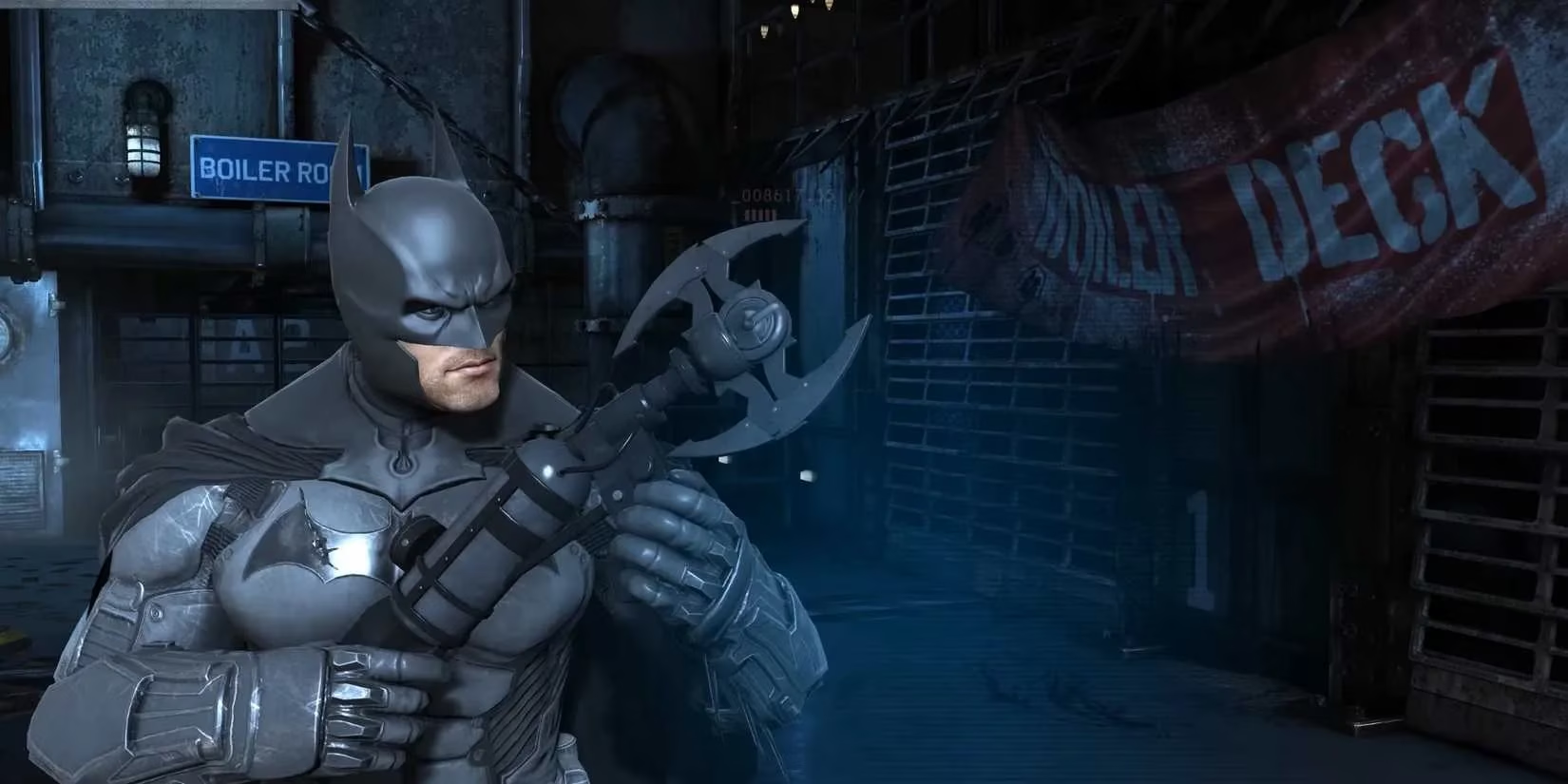
Starting off my list is Batman: Arkham Origins. While other games showcased a polished Dark Knight, this one took me back to the beginning. For about 12 hours, I wasn't playing the infallible hero; I was a younger, angrier Bruce Wayne making his first brutal mistakes. The combat was super-satisfying, blending slick gadgets with a skill progression system that gave it a nice action-RPG touch. It was the most aggressive and raw take on Batman I've ever experienced, showing the human behind the cowl who had to earn Gotham's fear, not just inherit it.
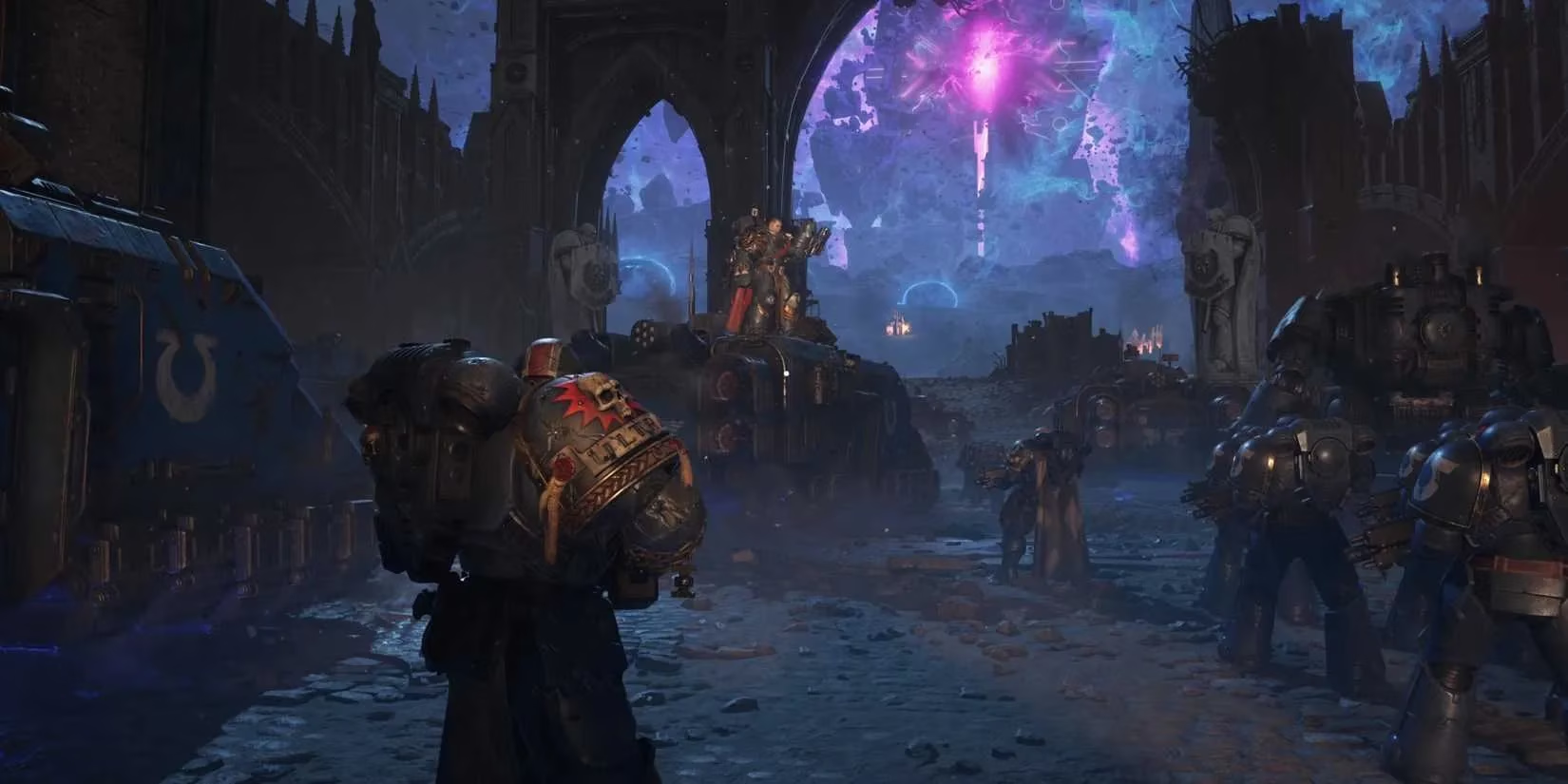
Next up is a title that perfectly satisfies a simple power fantasy: Warhammer 40,000: Space Marine 2. As a walking tank named Titus, my mission was pure, unadulterated purging of Xenos scum in the Emperor's name. The 12-hour runtime was a relentless, adrenaline-fueled ride of chainsword carnage and bolter fire. It masterfully blended squad-based combat with light RPG customization, making every moment of its compact campaign insanely fun. It’s the epitome of a focused, high-octane experience.
Assassin's Creed Rogue was a revelation. In just 10 hours, it completely flipped the script on a franchise I thought I knew. Playing as Shay, who defects from the Assassins to join the Templars, forced me to confront the flawed and often selfish side of the Brotherhood I'd always championed. The cognitive dissonance of hunting my former allies was intense. With its improved exploration, new weapons, and a solid skill tree, it added a compelling RPG-lite layer to the classic formula. It's a criminally underrated gem that deserved far more attention than some of the bloated entries that followed.
Of course, any discussion about impactful, shorter narratives has to include The Last of Us. Over its 15-hour journey, I was locked into Joel and Ellie's harrowing trek across America. The game transcends its action-adventure core with weapon upgrades, skill trees, and crafting, weaving in a crucial layer of RPG survival strategy. But it’s the emotional weight—watching Joel's desperation and Ellie's transformation—that cements it as a masterpiece of cinematic storytelling. It proves that depth isn't measured in hours, but in the connections forged.
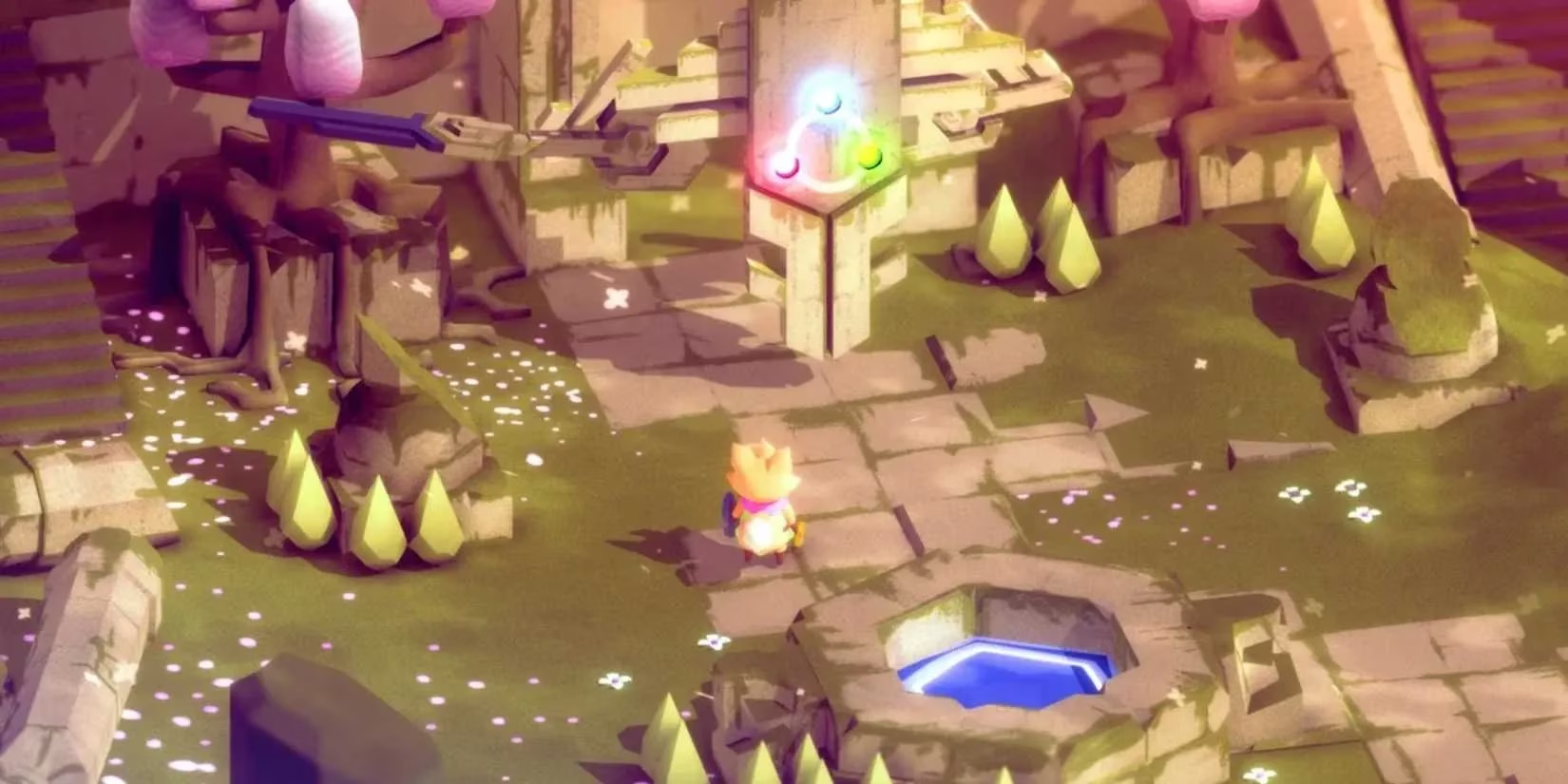
Tunic completely blindsided me. Its charming, fox-led adventure looked like a cozy indie title, but beneath the surface was a challenging, Souls-inspired experience packed with secrets. For 12 hours, I pieced together a mysterious world using an in-game manual, feeling a genuine sense of discovery with every stat upgrade and new piece of gear. It’s a beautiful, dialogue-less puzzle box that perfectly mixes cozy exploration with tense, rewarding combat.
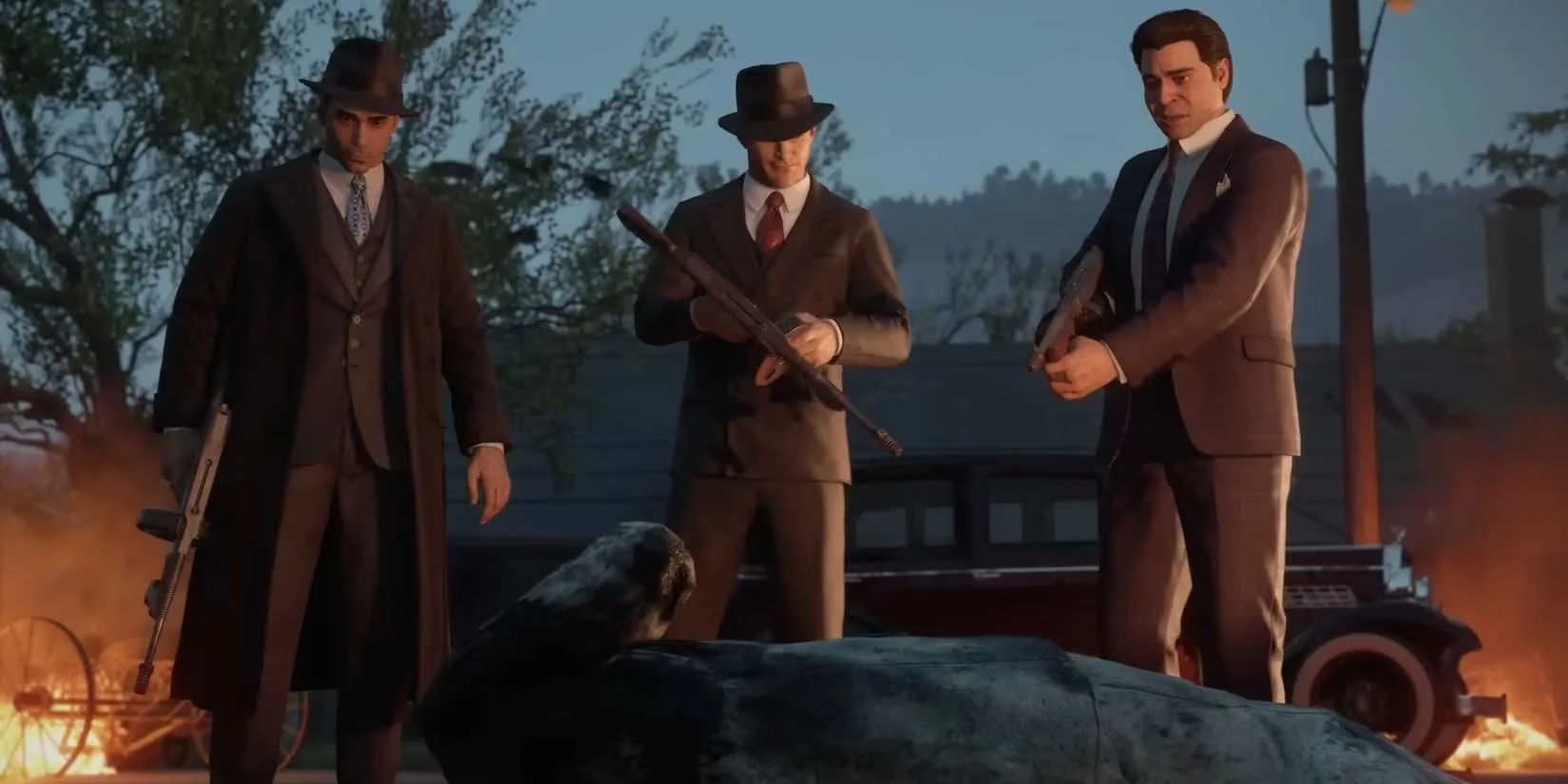
With the hype for future installments, revisiting Mafia: Definitive Edition was a timely reminder of how powerful shorter narratives can be. While light on traditional RPG mechanics, it excels at pulling you into the role of Thomas Angelo. The quiet moments, the weight of moral corruption, and the intense story of loyalty and betrayal over its concise runtime left a deeper impression on me than many longer, more systemic games. It's storytelling at its most focused and effective.
Marvel's Spider-Man (2018) gave me the best 17-hour weekend I could ask for. Swinging through New York is pure joy, but it was Peter Parker's personal struggles—his relationships with Aunt May and Doc Ock—that gave the story real heart. The game smartly integrates skill trees and leveling up into the web-slinging action, making progression feel meaningful. It’s an action-RPG that balances spectacular set-pieces with genuine human drama so well, it could win over anyone.
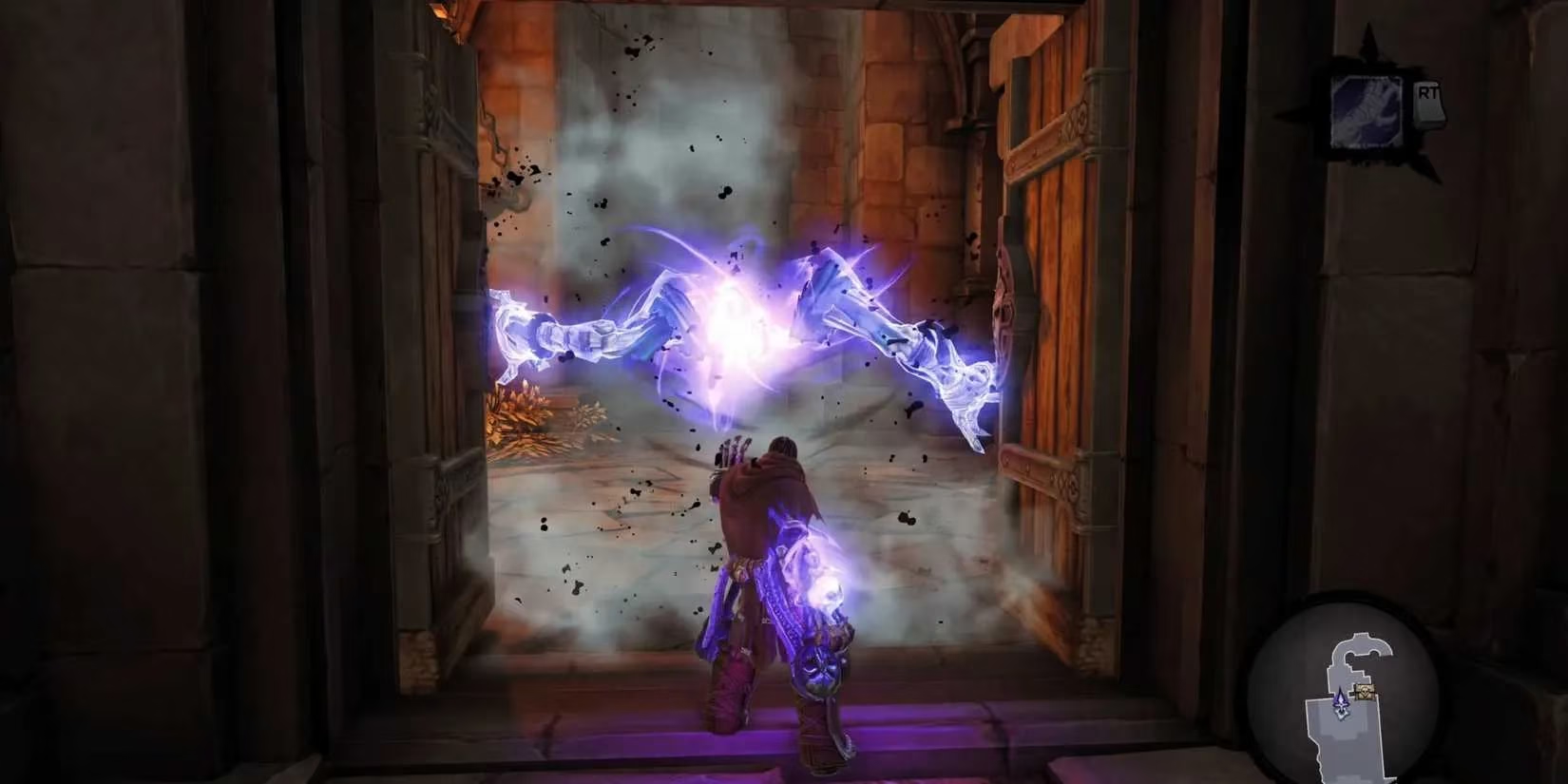
Darksiders 2 remains one of the most tragically underrated games in my library. As Death, one of the Four Horsemen, I embarked on an 11-hour hack-and-slash odyssey to clear his brother's name. It’s a quintessential 'kill, loot, level up' loop, but executed with such style and satisfying combat depth. From epic boss fights to the endless Crucible arena, it’s a hidden gem that delivers relentless, addictive action without overstaying its welcome.
Then there's God of War (2018), a 25-hour masterpiece that redefined a franchise. It traded the mindless rage of the past for a profound story about a father and son. Playing as Kratos, trying to be better for Atreus, was an emotionally resonant journey I never expected. The deep RPG systems—skill trees, gear management, and upgrades—are woven seamlessly into the brutal, third-person combat. Every hour of its runtime feels essential, purposeful, and uniquely impactful, proving that even a longer game in this context can feel perfectly paced.
Finally, at the top of my list for 2026 is Tomb Raider (2013). In just 11 hours, it delivered one of the most compelling character transformations in gaming. This wasn't the invincible icon from the past; this was a vulnerable Lara Croft, shaken by her first kill, battling trauma and the elements to survive. The light RPG elements—crafting, skill trees, gear upgrades—directly supported her journey from fearful archaeologist to resilient survivor. It’s a grounded, raw, and incredibly focused origin story that packs more punch in its short runtime than many games triple its length.
In the end, my journey through these games has taught me a valuable lesson for the modern gaming landscape: quality will always trump sheer quantity. A game's value isn't in the hours it demands, but in the density of its experience, the strength of its storytelling, and the respect it shows for the player's time. These action RPGs, all under 25 hours, are testaments to that philosophy. They offer rich worlds, deep mechanics, and unforgettable narratives without requiring a lifelong commitment. For any gamer balancing passion with real-world responsibilities, this list is your blueprint for satisfaction in 2026 and beyond.