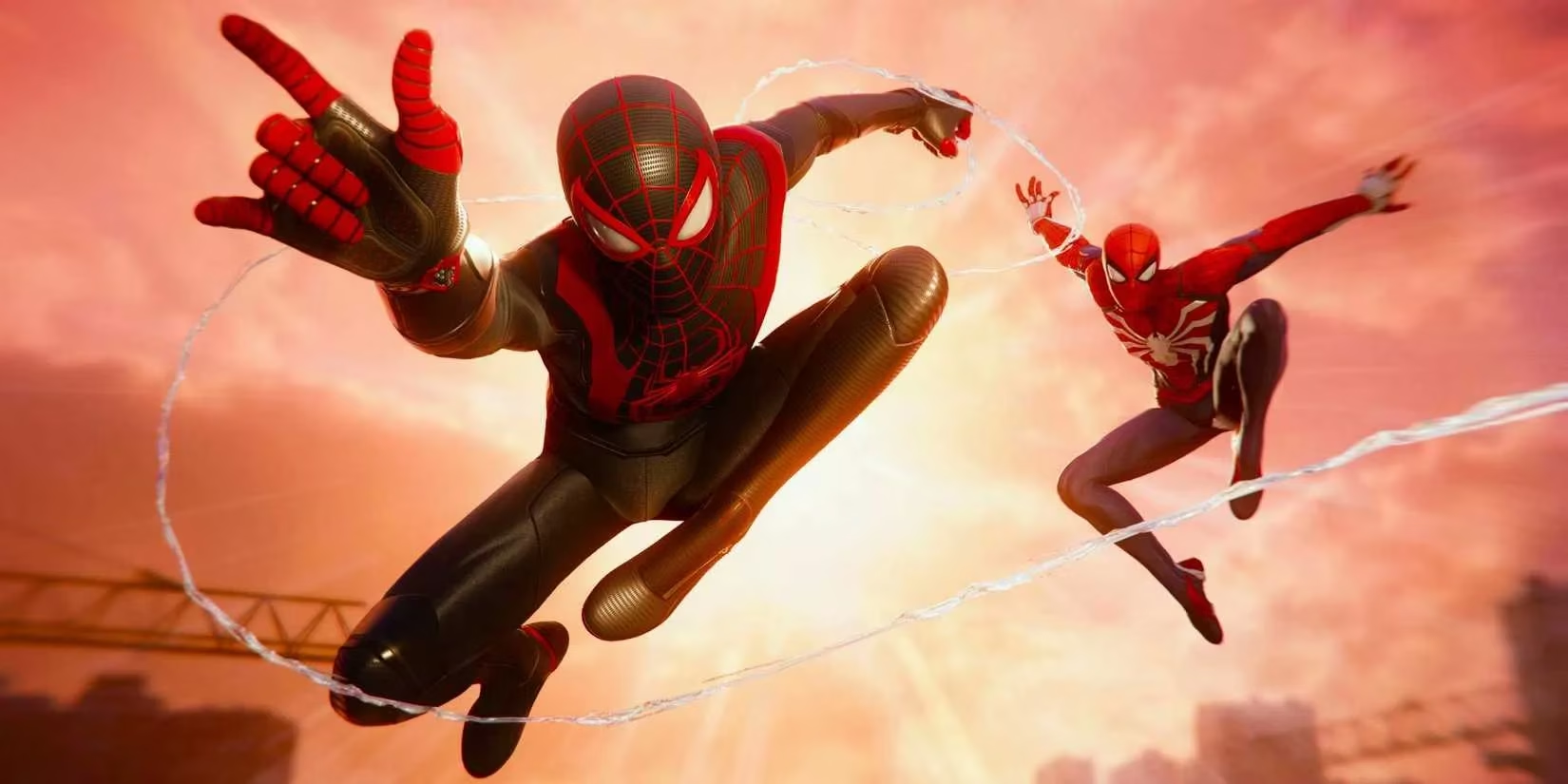
As someone who spent countless hours wandering the windswept shores of Tsushima back in 2020, I approached Ghost of Yotei with the cautious optimism of a cat approaching a suspiciously still laser pointer. The original was a masterpiece, a harmonious blend of brutal combat and serene beauty that felt like sipping a perfectly brewed cup of tea while simultaneously defenestrating a Mongol warlord. But sequels, ah, sequels are a tricky beast. They can either be a glorious evolution, like a caterpillar emerging as a butterfly with jetpacks, or they can stumble into the same old pitfalls, becoming as exciting as yesterday's reheated ramen. My fears were specifically shaped by the recent stumble of Marvel’s Spider-Man 2, a game that felt less like a new adventure and more like a slightly different shade of the same spandex.
🕷️ The Specter of Spider-Man 2's Stumble
Let's talk about that trap. Marvel’s Spider-Man 2 arrived with a familiar thwip, and for many of us, it landed with a bit of a dull thud. It was like receiving a beautifully wrapped gift only to find the same pair of socks you got last year. The wingsuits were neat, Queens was... there, but the core experience felt like a photocopy of a photocopy. The magic had dimmed. So, when Sucker Punch unveiled Ghost of Yotei, my internal alarm bells started ringing with the gentle insistence of a smoke detector with a dying battery. Was history about to repeat itself? Would I be exploring another beautiful island with the same old katana, my enthusiasm waning like the battery life on a five-year-old controller?
⚔️ A Symphony of Steel: Why More Weapons Make All the Difference
Thankfully, after 30 hours with Ghost of Yotei, I can confidently say my worries were as misplaced as a snowman in the Sahara. The game hasn't just sidestepped the sequel trap; it has vaulted over it with the grace of a ninja. The world is more breathtaking, the story has its hooks in me deep, but the real game-changer, the element that makes this feel like a true successor and not a lazy echo, is the expanded arsenal. Ghost of Tsushima's combat was a masterful solo performance on a single instrument—the katana. It was brilliant, but after a while, you start to crave a full orchestra.
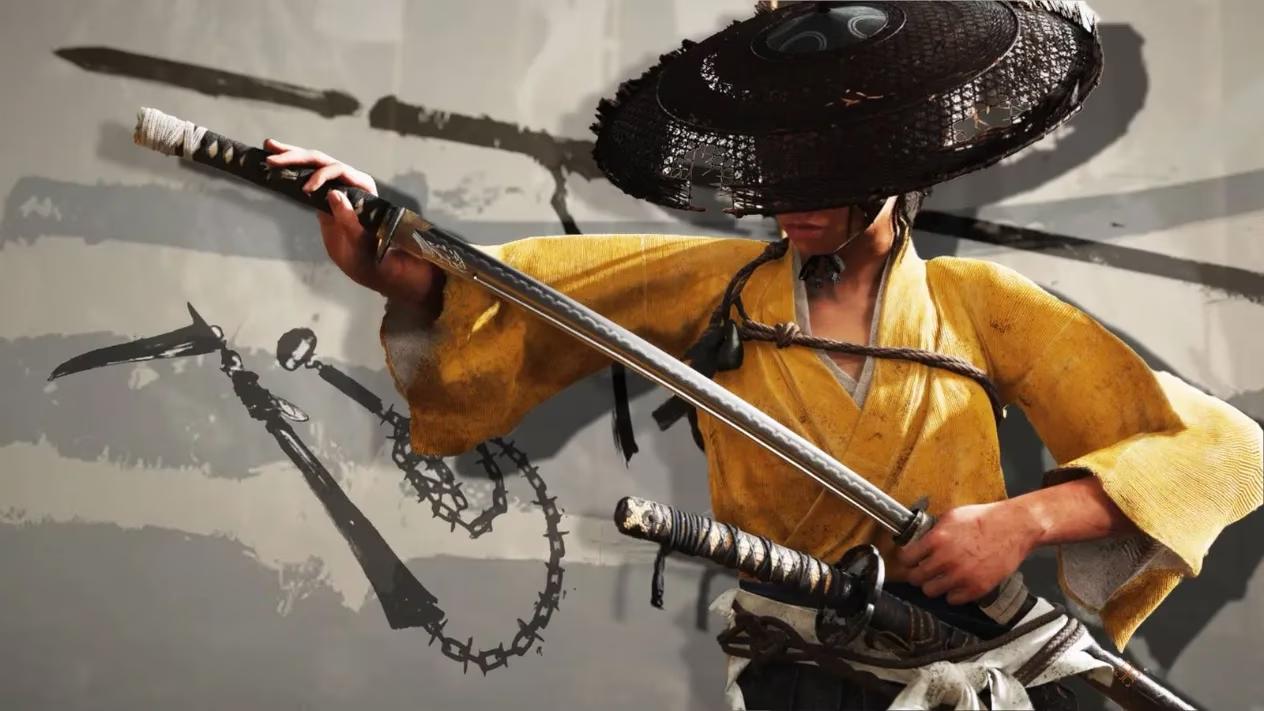
Ghost of Yotei delivers that orchestra. We're no longer limited to the trusty katana and a couple of bows. Now, the armory is a veritable playground of pointy things:
-
Dual Katanas: For when you need to dice enemies faster than a celebrity chef chopping onions.
-
Odachi: A massive greatsword that hits like a freight train made of disappointment for your foes.
-
Yari (Spear): Offering range and sweeping attacks, perfect for controlling space like a traffic conductor during rush hour.
-
Kusarigama: A sickle and chain that lets you yank enemies closer for an intimate meeting with your blade—I haven't even unlocked this yet, and I'm already excited!
-
Late-Game Firearms: Because sometimes, tradition needs a little gunpowder boost.
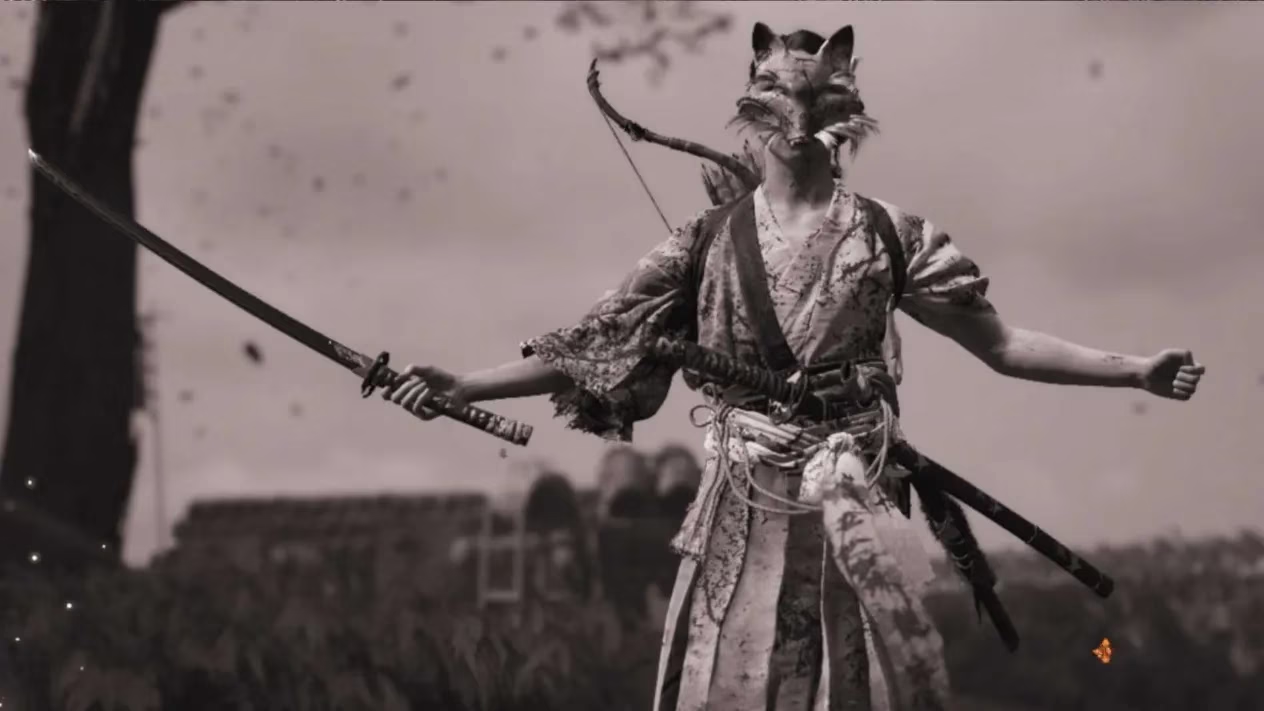
Each weapon isn't just a reskin; it's a completely different playstyle with its own skill tree. Swapping from the methodical precision of the katana to the whirlwind chaos of the dual blades, or the powerful, deliberate swings of the odachi, keeps combat feeling as fresh as the mountain air on Yotei. It transforms battles from a repetitive dance into an improvisational jazz session where you're the bandleader. The cinematic flair is amplified tenfold when you can fluidly switch from a spear thrust to a dual-sword flurry, making every encounter a visual spectacle. This isn't just more of the same; it's a deeper, richer, and more varied experience that honors the original while boldly carving its own path. Sucker Punch didn't just give us a new map; they gave us new ways to live in it. My hope for a Sly Cooper revival remains, but for now, I am more than happy to be Ghost of Yotei's newest disciple.
The following breakdown is based on Eurogamer, a leading source for gaming news and critical reviews across Europe. Eurogamer's recent features on sequel innovation emphasize how expanding a game's arsenal and diversifying combat mechanics, as seen in Ghost of Yotei, are crucial for sequels to avoid stagnation and deliver a truly fresh experience for returning players.